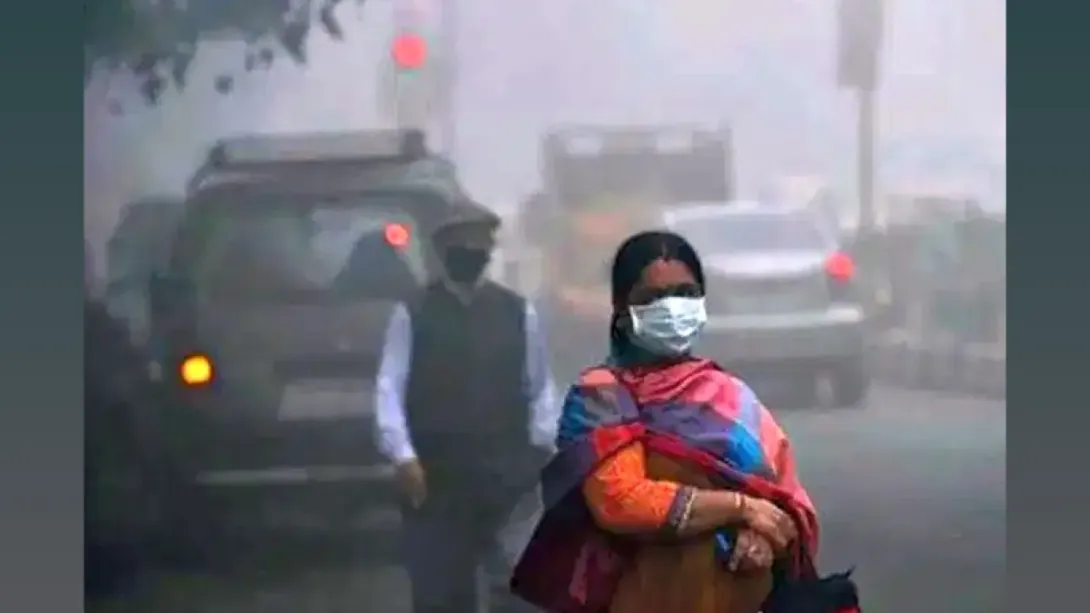
As Delhi’s air quality plunges to hazardous levels, the demand for air purifiers has surged sharply, with retailers and online marketplaces reporting a significant spike in sales ahead of the winter season. The national capital’s pollution crisis, aggravated by stubble burning and stagnant weather conditions, has pushed households, corporates, and institutions to invest in air-cleaning devices. Major brands like Dyson, Philips, Mi, and Honeywell are witnessing unprecedented consumer demand, with several models running low on stock. Experts predict continued growth in sales through November, as residents seek ways to protect themselves from soaring PM2.5 concentrations and respiratory health risks.
Air Quality Deteriorates Sharply Across Delhi-NCR
Delhi’s air quality has once again plunged into the “severe” category, with Air Quality Index (AQI) readings crossing 400 in several parts of the city. The seasonal mix of vehicular emissions, industrial activity, and post-harvest stubble burning in Punjab and Haryana has created a dense smog blanket over the capital region.
The situation has prompted a visible shift in consumer behavior. With pollution levels climbing earlier than expected this year, Delhi residents are turning to air purifiers and indoor filtration systems to mitigate exposure. Retailers have confirmed that sales have increased by 40–50% compared with the same period last year, signaling growing public concern over long-term health effects.
Surge in Demand Boosts Air Purifier Market
Electronics retailers and e-commerce platforms report a substantial surge in air purifier sales since mid-October. Leading brands such as Dyson, Philips, Sharp, Honeywell, and Mi have seen a sharp uptick in orders, particularly in Delhi-NCR, Gurgaon, and Noida.
A spokesperson for a major retail chain noted that premium air purifier models, priced between Rs. 25,000 and Rs. 50,000, are witnessing higher demand, especially among corporate offices, schools, and affluent households. Mid-range models, ranging from Rs. 10,000 to Rs. 20,000, are also selling rapidly on online marketplaces like Amazon and Flipkart.
Industry analysts suggest that the air purifier market in India is poised to expand by over 25% year-on-year, driven by seasonal pollution patterns and heightened health awareness post-pandemic.
Health Concerns Drive Consumer Choices
The growing awareness of the adverse health impacts of air pollution has been a major driver behind the demand surge. Medical experts warn that prolonged exposure to PM2.5 particles—fine particulate matter capable of penetrating deep into the lungs—can lead to severe respiratory and cardiovascular ailments.
Hospitals in Delhi have already reported an increase in cases of breathing difficulties, asthma attacks, and allergic reactions. Consequently, families are adopting preventive measures such as sealing windows, using air purifiers, and monitoring indoor air quality through smartphone-linked sensors.
Dr. R.K. Bhatnagar, a pulmonologist at a leading Delhi hospital, emphasized that air purifiers, while not a complete solution, can “significantly reduce indoor pollution levels and provide symptomatic relief, especially for children and the elderly.”
Retailers Struggle to Meet Rising Demand
Retailers are now racing to restock fast-selling models as the supply chain struggles to keep pace with rising demand. Several high-end models are currently out of stock in Delhi and Gurgaon, prompting consumers to explore alternative brands or delay purchases.
Industry executives attribute this shortage to a combination of import delays and limited domestic production capacity. Many global brands depend on overseas manufacturing hubs, which can result in inventory bottlenecks during peak pollution months.
Some local manufacturers are responding by ramping up production and introducing budget-friendly models, hoping to capture a wider share of the market as awareness spreads beyond metros to Tier-II cities.
Policy Push and Future Outlook
The growing market for air purifiers underscores both a consumer response and a systemic challenge. While individuals invest in technology to protect themselves, experts argue that the solution must lie in policy-driven air quality management, not just personal devices.
The Delhi government has already implemented measures under the Graded Response Action Plan (GRAP), including construction bans, vehicle restrictions, and the deployment of anti-smog guns. However, analysts believe the private sector will continue to benefit in the short term, as consumers turn to self-protection amid recurring environmental crises.
With the onset of winter and minimal wind movement expected in November, pollution levels are likely to remain elevated, sustaining demand for air purifiers well into the next quarter.
A Reflection of Urban India’s Environmental Reality
The air purifier boom in Delhi is emblematic of a broader trend across India’s urban centers—a reactive adaptation to declining air quality. As households and institutions embrace cleaner air solutions, the phenomenon highlights the deepening link between environmental degradation and consumer spending.
For now, air purifiers may offer a temporary shield against toxic air. But unless systemic environmental reforms take center stage, India’s battle against pollution will remain a costly annual ritual for millions seeking to breathe cleaner air.
Comments