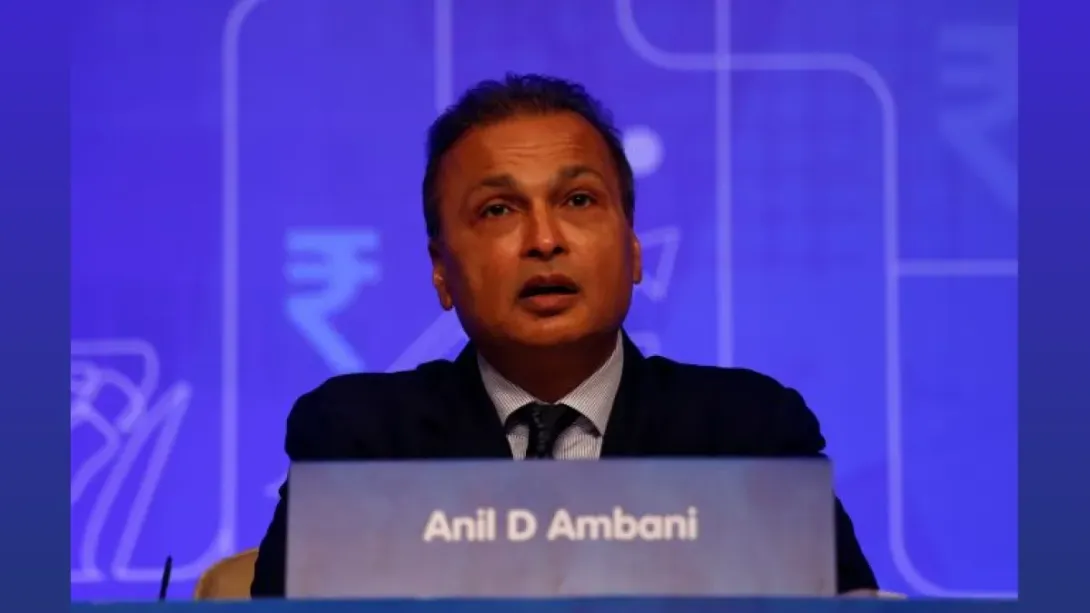
India’s financial enforcement machinery intensified its scrutiny of high-profile corporate figures after the Enforcement Directorate provisionally attached a residential property linked to industrialist Anil Ambani. The action forms part of an ongoing investigation under anti-money laundering provisions and relates to alleged financial irregularities connected with corporate borrowings. Authorities indicated that the attachment aims to secure assets pending further adjudication. The development underscores the expanding scope of regulatory oversight in India’s corporate sector, particularly in cases involving large-scale lending exposures. While no final determination of guilt has been made, the move signals heightened enforcement momentum in complex financial investigations.
Regulatory Action and Legal Framework
The Enforcement Directorate has provisionally attached a residential property associated with Anil Ambani as part of an ongoing inquiry into suspected financial irregularities.
The action has been undertaken under provisions of the Prevention of Money Laundering Act, which empowers authorities to attach properties believed to represent proceeds of crime. A provisional attachment does not amount to confiscation. Instead, it temporarily restricts transfer or disposal of the asset pending adjudication by a competent authority.
Officials familiar with the case stated that the attachment seeks to safeguard potential recoverable value while the investigation continues.
Background to the Investigation
The inquiry reportedly relates to lending transactions involving companies within the industrialist’s business network. Financial institutions had extended substantial credit facilities during a period of aggressive expansion across infrastructure, telecommunications and financial services sectors.
Subsequent defaults triggered scrutiny from lenders and investigative agencies. The Enforcement Directorate initiated proceedings after examining whether alleged irregularities in loan utilization constituted money laundering under statutory definitions.
The agency typically acts following predicate offenses registered by other investigative bodies. Attachment proceedings aim to prevent dissipation of assets during the pendency of proceedings.
Corporate Debt and Systemic Implications
The case unfolds against the broader backdrop of India’s corporate debt cycle over the past decade. During a period of rapid economic expansion, several conglomerates undertook leveraged investments financed by domestic and international borrowings.
When revenue projections failed to materialize and market conditions shifted, debt servicing pressures intensified. Banks reported rising non-performing assets, prompting regulatory and judicial interventions.
Large-value defaults have often triggered parallel investigations into governance lapses and potential fund diversion.
The attachment of high-profile assets reinforces the message that enforcement agencies remain vigilant in pursuing recovery avenues.
Legal Process and Rights of the Accused
Under the Prevention of Money Laundering Act, individuals and entities whose properties are attached retain the right to contest the action before an adjudicating authority. If the authority confirms the attachment, the matter may proceed through appellate mechanisms and, if necessary, judicial review.
Legal experts note that attachment orders are provisional safeguards and do not constitute a final finding of wrongdoing.
Due process provisions allow affected parties to present evidence demonstrating legitimate asset acquisition.
The adjudication timeline varies depending on case complexity and documentation volume.
Market Reaction and Investor Confidence
News of enforcement actions involving prominent business figures often reverberates through financial markets. While the industrialist’s flagship enterprises have already undergone restructuring and insolvency proceedings in recent years, fresh developments can influence investor sentiment.
Market participants typically differentiate between corporate liabilities and personal asset proceedings.
The attachment does not automatically alter operational status of listed entities but may revive scrutiny over historical governance practices.
Transparency in legal proceedings is critical to maintaining investor confidence in India’s regulatory ecosystem.
Evolution of Enforcement in India
Over the past decade, India has strengthened its financial oversight mechanisms. Investigative agencies have expanded their reliance on forensic accounting, cross-border cooperation and digital transaction tracking.
The Enforcement Directorate has pursued multiple high-value cases involving alleged banking fraud and financial misconduct.
These actions align with broader policy objectives aimed at reinforcing credit discipline and enhancing accountability in capital markets.
Observers note that assertive enforcement reflects institutional consolidation rather than episodic activism.
Asset Attachment as a Strategic Tool
Asset attachment serves both protective and symbolic functions. From a financial perspective, it preserves potential recovery value for creditors or the state.
Symbolically, it communicates regulatory resolve.
However, legal scholars caution against conflating attachment with adjudicated liability.
Balancing enforcement rigor with procedural fairness remains essential to maintaining credibility.
India’s evolving insolvency and bankruptcy framework has complemented investigative efforts by enabling structured resolution of distressed assets.
Together, these mechanisms form part of a broader financial stability architecture.
Broader Implications for Corporate Governance
The episode underscores heightened expectations surrounding corporate governance and fiduciary responsibility. Boards and executive leadership teams increasingly operate under scrutiny from lenders, regulators and shareholders.
Risk management, transparent disclosure and prudent leverage strategies have gained prominence in corporate strategy.
Financial institutions, too, have strengthened due diligence practices following earlier cycles of asset stress.
In the long term, consistent enforcement may deter misconduct and foster a more resilient credit culture.
Conclusion
The provisional attachment of a residence linked to Anil Ambani marks another chapter in India’s ongoing efforts to address complex financial irregularities involving large corporate exposures. While the legal process remains underway and no final adjudication has been reached, the action reflects a determined regulatory posture toward safeguarding financial integrity.
For investors and policymakers alike, the development highlights the intersection of corporate governance, credit risk and enforcement accountability. As India’s financial system matures, transparent and methodical investigation processes will remain central to sustaining trust in markets and institutions.
Comments