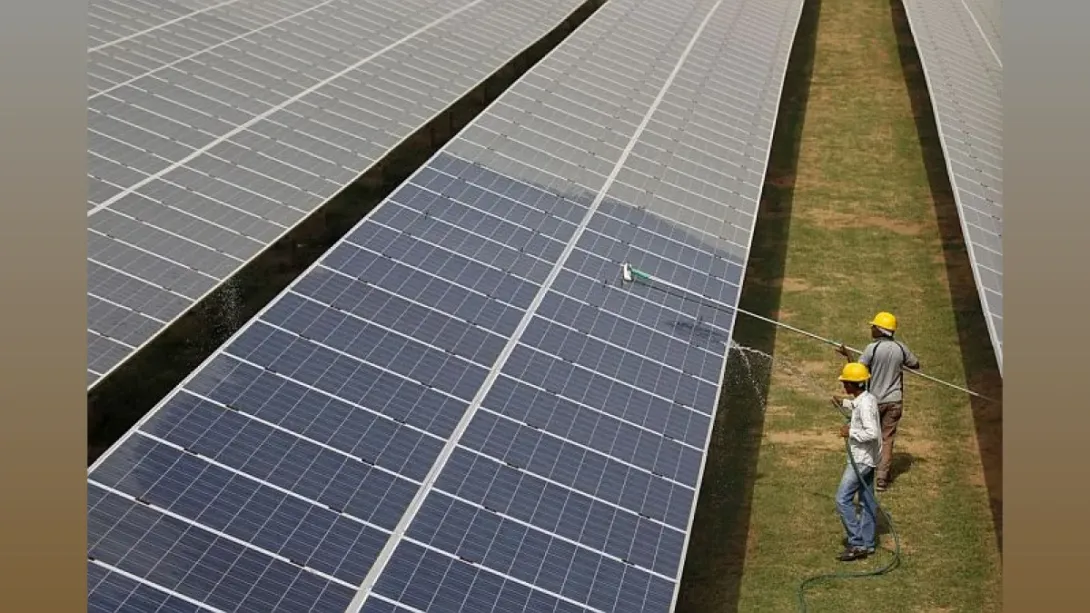
GAIL has approved an investment of Rs. 1,736 crore for the development of a wind power project in Maharashtra, marking a strategic push into renewable energy and portfolio diversification. The initiative aligns with India’s broader clean energy transition and corporate decarbonization goals. By strengthening its renewable asset base, GAIL aims to enhance long-term sustainability while mitigating exposure to fossil fuel volatility. The project is expected to contribute significantly to regional green power capacity and support India’s national renewable energy targets.
Strategic Diversification into Renewables
Traditionally known as a natural gas transmission and marketing major, GAIL has been gradually expanding its footprint in non-fossil energy segments. The Rs. 1,736 crore investment in Maharashtra reflects a calibrated shift toward renewable generation as part of its long-term capital allocation strategy.
The wind power project is expected to add substantial installed capacity, contributing to grid stability and clean energy supply. Maharashtra, with favorable wind corridors and established evacuation infrastructure, presents a viable ecosystem for utility-scale renewable deployment.
This investment underscores the company’s recognition that energy transition is both an environmental imperative and a financial opportunity.
Financial Commitment and Capital Allocation
An outlay of Rs. 1,736 crore represents a significant capital expenditure decision. Such investments typically undergo rigorous internal rate of return assessments, sensitivity analysis on power tariffs and long-term offtake agreements.
Renewable projects benefit from relatively stable operating costs once commissioned, though upfront capital intensity remains high. Wind projects, in particular, depend on site selection efficiency and turbine performance optimization.
For GAIL, diversifying revenue streams through renewable assets may provide predictable cash flows and reduce earnings volatility associated with commodity price fluctuations.
Policy Alignment and National Energy Goals
India has set ambitious renewable energy capacity targets as part of its climate commitments. Public sector enterprises are increasingly expected to contribute meaningfully to this transition.
By investing in wind generation, GAIL aligns itself with national objectives aimed at expanding non-fossil fuel capacity and lowering carbon intensity. Renewable energy investments also improve environmental, social and governance metrics, an area gaining importance among institutional investors.
Corporate participation in clean energy development accelerates infrastructure growth while supporting energy security.
Economic and Regional Impact
Large-scale wind projects generate employment during construction and ongoing maintenance phases. They also stimulate ancillary industries such as turbine manufacturing, logistics and grid services.
For Maharashtra, the addition of new renewable capacity strengthens its power supply matrix and enhances resilience against peak demand pressures.
Moreover, renewable integration reduces long-term environmental costs associated with conventional generation, offering broader socio-economic benefits.
Risk Factors and Execution Challenges
Despite its advantages, wind energy development carries execution risks. Variability in wind patterns, transmission constraints and regulatory adjustments can influence project viability.
Securing timely environmental clearances and land acquisition approvals remains essential to prevent cost overruns.
However, experienced energy players such as GAIL typically leverage technical expertise and strategic partnerships to mitigate such risks.
Outlook and Strategic Positioning
As India’s energy landscape evolves, companies capable of balancing legacy hydrocarbon operations with renewable expansion are likely to command stronger market credibility.
GAIL’s investment signals proactive positioning rather than reactive compliance. It reflects an understanding that future energy markets will prioritize sustainability, efficiency and diversified generation assets.
The Rs. 1,736 crore commitment in Maharashtra represents not merely a project announcement but a strategic step in reshaping the company’s long-term growth trajectory.
Conclusion
GAIL’s decision to invest Rs. 1,736 crore in a Maharashtra wind power project demonstrates a decisive move toward renewable integration and energy diversification. Beyond capacity addition, the project enhances the company’s alignment with national climate goals and investor expectations.
As public sector enterprises increasingly embrace clean energy investments, such initiatives are poised to redefine India’s energy economy in the decade ahead.
Comments