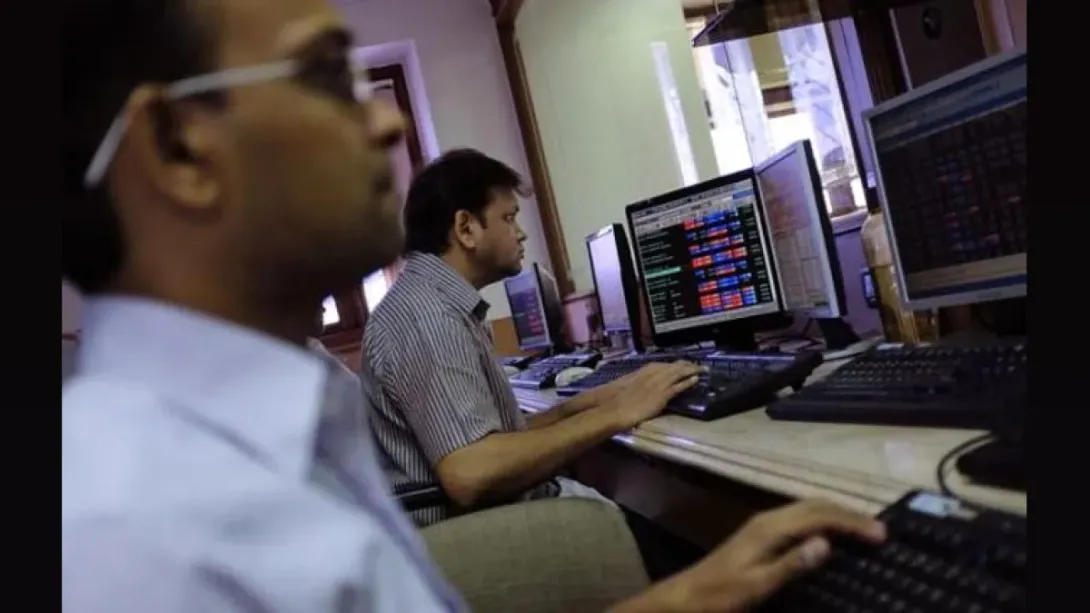
The Investor Education and Protection Fund Authority (IEPFA) has rolled out a streamlined mechanism designed to assist small investors in reclaiming unclaimed shares, dividends, and other entitlements with greater efficiency. The move is expected to reduce bureaucratic hurdles, enhance transparency, and boost investor confidence in the capital markets. By simplifying the documentation process and introducing technology-driven verification systems, the authority aims to expedite settlements while ensuring stronger safeguards against fraudulent claims. The reform underscores the government’s commitment to financial inclusion and investor protection at a time of growing retail participation in equities.
Investor-Friendly Reforms
The IEPFA, which operates under the Ministry of Corporate Affairs, has introduced reforms that focus on cutting red tape for claimants. Historically, individuals seeking refunds of unclaimed dividends or shares faced procedural delays due to stringent documentation and verification requirements. The revised guidelines place particular emphasis on claims up to Rs. 5 lakh, a segment dominated by small investors who often lack the resources to pursue lengthy processes.
By reducing the paperwork and enabling online submission of key documents, the authority expects a surge in claim applications. This initiative is particularly significant in India’s equity landscape, where millions of unclaimed shares and dividends remain locked due to investor unawareness, procedural bottlenecks, or outdated records.
Technology-Enabled Verification
Central to the new framework is the adoption of digital tools to authenticate claims. The IEPFA has collaborated with depositories, registrars, and transfer agents to build an integrated ecosystem that accelerates verification. E-KYC (Know Your Customer) norms, Aadhaar-based authentication, and digital signatures are being used to minimize manual intervention, thereby reducing errors and fraudulent submissions.
Such a system not only improves efficiency but also enhances investor trust. For small shareholders—often senior citizens or heirs of deceased investors—the simplified digital route reduces the burden of multiple visits to banks, registrars, or company offices.
Safeguarding Investor Interests
While the process has been made more accessible, the authority has ensured that security measures are not compromised. Fraudulent claims, a persistent concern in past cases, are being addressed through layered verification protocols. Cross-verification between company records and depository databases ensures that legitimate investors or their legal heirs are the only beneficiaries.
Experts believe that these reforms strike the right balance between convenience and prudence. The authority’s decision to limit the relaxation to claims up to Rs. 5 lakh reflects a targeted approach, protecting small investors without exposing the system to large-scale financial risks.
Broader Implications
This reform aligns with the government’s broader agenda of deepening retail participation in India’s financial markets. With stock market penetration still modest compared to developed economies, measures that improve investor experience play a crucial role in building trust. Industry observers note that the move could encourage dormant shareholders to re-engage with their investments, unlocking billions of rupees worth of idle assets.
Moreover, the simplification initiative underscores the importance of financial literacy. By raising awareness about unclaimed shares and dividends, the IEPFA not only protects wealth but also fosters a culture of informed participation among retail investors.
Conclusion
The IEPFA’s decision to simplify claims for small investors marks a pivotal step toward strengthening investor protection in India. By blending technology with regulatory foresight, the authority has created a framework that is both efficient and secure. For small investors—many of whom had long been excluded from recovering their rightful dues—the reform signals a more inclusive and transparent capital market ecosystem.
Comments