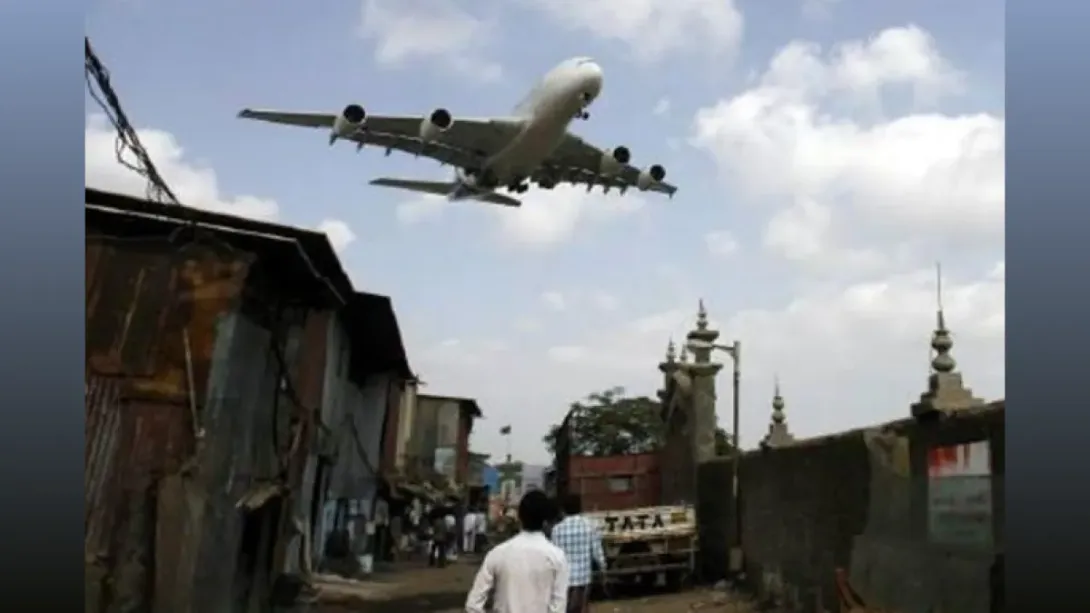
An Air India flight en route to Frankfurt made an emergency landing at Delhi’s Indira Gandhi International Airport on Thursday morning after receiving a bomb threat midair. The aircraft, carrying over 250 passengers and crew, landed safely under high-security measures. The Delhi Police and aviation security teams swiftly initiated a full-scale investigation, conducting a comprehensive search of the aircraft and luggage. Initial reports indicate that no suspicious item was found, and authorities have confirmed that all passengers are safe. The incident underscores renewed security vigilance across India’s aviation network amid global threats.
Emergency Landing Following Mid-Air Threat
The Air India flight, operating on the Delhi–Frankfurt route, was forced to return shortly after takeoff when a bomb threat was received through an anonymous message. The pilot immediately alerted Air Traffic Control (ATC) and requested priority landing. The aircraft was safely guided to Delhi Airport, where emergency response units, including the Central Industrial Security Force (CISF), Delhi Police Bomb Disposal Squad, and airport fire and medical teams, were placed on high alert.
Upon landing, the plane was taxied to an isolated bay as per the Bomb Threat Assessment Committee (BTAC) protocol. Passengers were promptly evacuated through designated safety procedures and transported to a secure area within the terminal for further screening.
Swift Response by Security and Airport Authorities
The Delhi International Airport Limited (DIAL) confirmed that standard emergency protocols were executed seamlessly, ensuring passenger safety. The CISF commandos, along with dog squads and explosives experts, combed the entire aircraft, including cargo holds and cabin compartments.
The search, which lasted several hours, yielded no explosive device or suspicious material. Authorities later declared the threat a hoax, though the source of the message remains under investigation.
“The aircraft has been declared safe, and passengers have been cleared to resume their journeys on alternate arrangements,” a senior CISF officer told reporters. The Directorate General of Civil Aviation (DGCA) also confirmed that an internal review of the incident is underway to examine potential lapses and enhance preventive mechanisms.
Passenger Accounts and Airline Statement
Several passengers took to social media to commend the professionalism of the Air India crew, who remained calm and reassuring throughout the tense situation. According to eyewitnesses, the crew followed protocol efficiently, instructing passengers to remain seated and avoid panic.
In an official statement, Air India expressed relief that all passengers and crew members were safe and appreciated the swift coordination with airport and security agencies. The airline also reiterated its commitment to maintaining “the highest standards of safety and security across all operations.”
The affected passengers were accommodated in alternate flights to Frankfurt and other connecting destinations after thorough screening.
Authorities Intensify Security Measures Nationwide
In the wake of the incident, aviation security agencies have stepped up surveillance and screening procedures across major airports, particularly for international flights. The Bureau of Civil Aviation Security (BCAS) has reportedly issued an advisory to all carriers, mandating enhanced baggage inspection and random cabin checks.
Security analysts note that India’s airports remain potential targets for hoax threats or cyber disruptions, particularly following recent global incidents involving flight security scares. While false alarms are not uncommon, authorities treat every such alert as credible until proven otherwise.
“Even a hoax can have operational and economic repercussions,” said a senior aviation expert. “It tests emergency systems, disrupts flight schedules, and highlights the need for continuous intelligence coordination between airlines, law enforcement, and cyber agencies.”
Global Context and Aviation Security Challenges
The Air India bomb threat comes amid heightened global scrutiny of aviation security, following a series of similar incidents in Europe and Asia. Many nations have reported a surge in email-based and cyber-originated threats, prompting calls for real-time data sharing and international cooperation.
India, which manages one of the fastest-growing aviation markets in the world, has been investing heavily in airport infrastructure and advanced threat-detection technologies. However, experts emphasize that psychological and procedural readiness—including pilot training, crisis communication, and rapid ground response—remains equally critical.
Ongoing Investigation and Legal Proceedings
The Delhi Police Special Cell, in collaboration with cybercrime units, has launched a probe to trace the source of the threat. Preliminary findings suggest that the email was routed through an offshore server, complicating the process of identifying the origin.
Under India’s Aviation Security Act, making a false bomb threat is a serious offense, carrying imprisonment and financial penalties. Authorities are also coordinating with Interpol to assess whether the incident was part of a larger pattern of coordinated hoax messages targeting international carriers.
Officials said the matter will remain under active investigation until the sender’s identity is confirmed and prosecuted under relevant sections of law.
Conclusion: A Reminder of Vigilance in Air Safety
While the Air India flight incident ended without casualties or damage, it serves as a powerful reminder of the persistent security challenges facing global aviation. The swift and disciplined response by the flight crew and security agencies prevented panic and ensured the safety of all on board.
As India continues to expand its international flight network, maintaining robust security intelligence, technological resilience, and public confidence will remain key priorities for regulators and airlines alike. The Delhi incident underscores not just the efficiency of India’s aviation response mechanisms, but also the critical importance of preparedness in an era of evolving security threats.
Comments