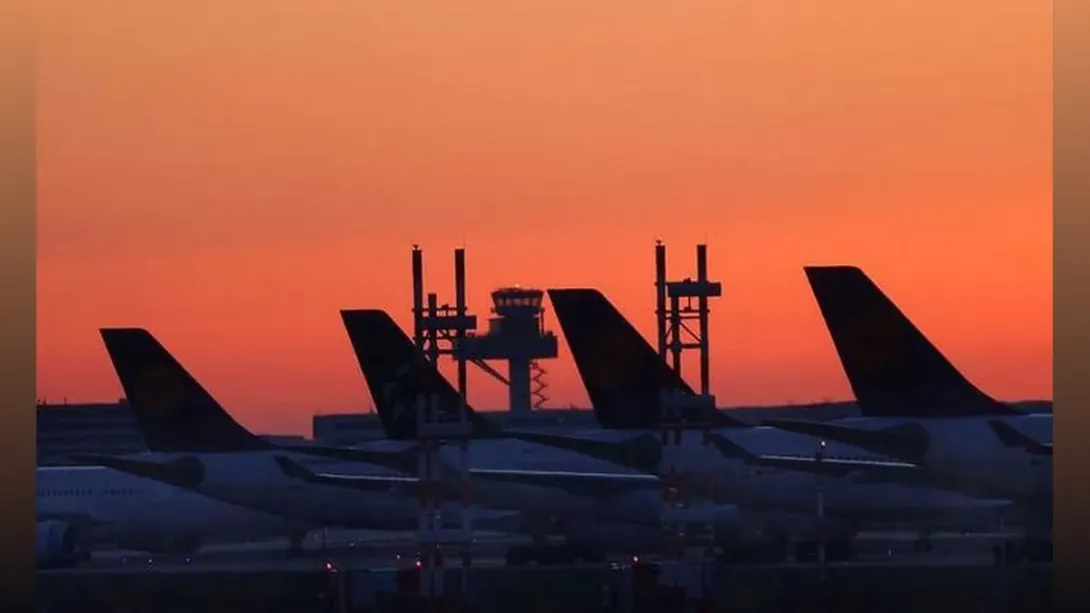
In a mixed development for consumers and industries alike, the government announced a hike in Aviation Turbine Fuel (ATF) prices while simultaneously reducing domestic LPG cylinder rates, marking the latest round of monthly fuel price revisions. The contrasting adjustments reflect global crude market trends and domestic demand considerations. The ATF price increase is expected to raise operational costs for airlines, while the LPG rate cut will bring partial relief to households ahead of the festive season. Analysts suggest that these changes underscore India’s ongoing struggle to balance inflationary pressures with social welfare objectives.
ATF Prices Surge Amid Global Oil Volatility
According to the latest data from state-owned oil marketing companies, the price of Aviation Turbine Fuel (ATF) has been increased by Rs. 1,585.6 per kilolitre, effective from November 1, 2025. The new price in Delhi now stands at Rs. 99,634.66 per kilolitre, up from Rs. 98,049.06 earlier. Similar upward adjustments were made in other metro cities, with Mumbai recording a price of Rs. 93,302.08 per kilolitre, Kolkata at Rs. 104,479.72, and Chennai at Rs. 102,729.33.
The price surge marks the second consecutive monthly increase, driven by firming global crude oil prices and a weaker rupee. Brent crude has hovered around USD 89 per barrel in recent weeks, fueled by supply constraints from major producers and geopolitical uncertainties in the Middle East.
Industry experts predict that the hike will place additional cost pressures on India’s aviation sector, which is already grappling with high operational expenses and competitive pricing. Jet fuel accounts for over 40% of an airline’s operational cost, making even minor fluctuations in ATF prices significantly impactful.
LPG Price Reduction Brings Relief to Households
In a move aimed at easing the burden on consumers, domestic LPG cylinder prices have been reduced by Rs. 33 per 14.2-kg cylinder. Following the revision, a domestic LPG cylinder in Delhi will now cost Rs. 853.50, compared to Rs. 886.50 previously. Similar reductions have been announced across other regions, including Mumbai (Rs. 852), Kolkata (Rs. 878), and Chennai (Rs. 871).
The cut in LPG prices comes as a welcome relief for households facing persistent inflation in food and essential goods. It also aligns with the government’s effort to cushion middle- and lower-income families from the impact of rising energy costs.
For commercial LPG cylinders, used extensively in hotels, restaurants, and small industries, the price has also been slashed by Rs. 50 per 19-kg cylinder, offering some respite to businesses in the hospitality and services sector.
Economic Context and Policy Balancing
The dual revision—raising ATF rates while cutting LPG prices—illustrates the government’s effort to strike a balance between industrial and consumer priorities. While global oil dynamics continue to influence India’s domestic pricing, the divergence in trends between aviation fuel and household LPG reflects sector-specific interventions.
According to energy analysts, the LPG price reduction is likely a strategic move to stabilize household budgets ahead of the winter season and festival months, a period when demand typically peaks. On the other hand, the ATF price hike was deemed unavoidable due to escalating international crude costs and currency depreciation.
This revision also comes amid inflationary pressures that have kept consumer price inflation around 5.4%, slightly above the Reserve Bank of India’s medium-term target. Fuel price management, therefore, remains central to macroeconomic stability, especially in an election-sensitive environment.
Impact on Aviation and Consumers
The latest ATF hike poses fresh challenges for India’s airlines, particularly low-cost carriers that operate on thin profit margins. Aviation industry insiders expect airfares to rise marginally in the short term, especially on domestic routes, to offset fuel-related cost increases.
For consumers, the LPG rate cut is likely to provide temporary relief, but experts warn that sustained price stability depends heavily on global crude oil movements and the rupee’s trajectory. The government may consider further policy measures—such as targeted subsidies or strategic reserve releases—if energy prices remain volatile through the winter months.
Conclusion: Balancing Costs in a Complex Energy Landscape
The November 2025 fuel price revision captures the complex interplay between global energy trends and domestic policy management. While households benefit from lower LPG rates, the aviation industry faces renewed headwinds due to rising ATF costs.
India’s energy policymakers continue to navigate a fine line—maintaining fiscal discipline while shielding consumers from volatility. As the global oil market remains unpredictable, the coming months will test the government’s ability to sustain economic balance without compromising growth or affordability.
Comments