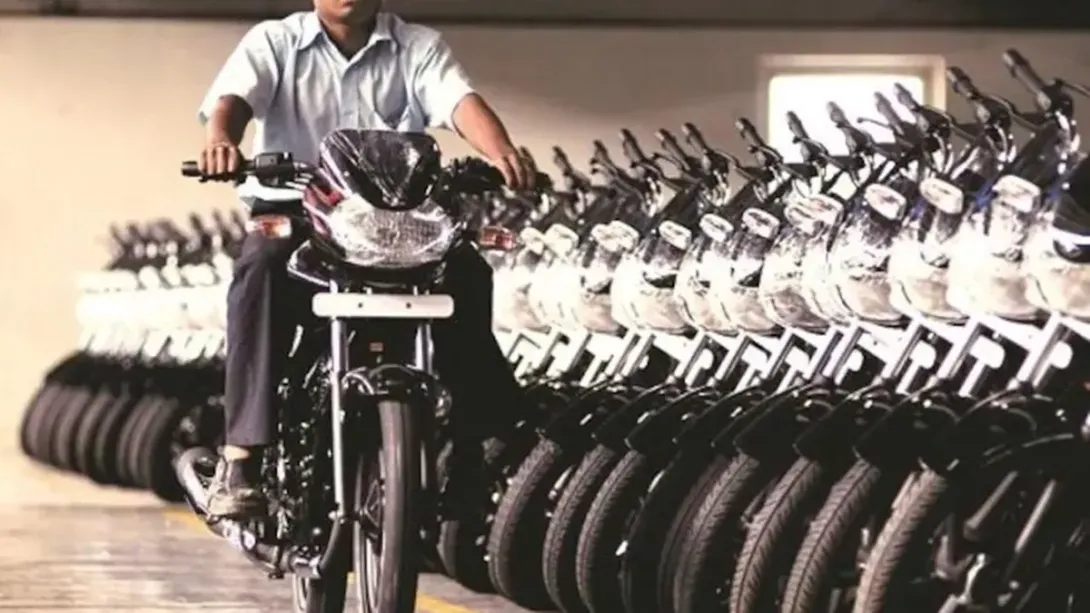
The Goods and Services Tax (GST) regime continues to weigh heavily on the Indian two-wheeler industry, with motorcycles and scooters falling under the highest GST slab of 28%. Industry representatives argue that treating essential mobility vehicles on par with luxury goods undermines affordability for millions of consumers, particularly in rural and semi-urban areas where motorcycles remain a lifeline. Rising fuel prices and inflation have already dampened sales, and the additional tax burden has further constrained recovery. As a result, manufacturers and trade bodies are calling for a rationalization of GST to make two-wheelers more accessible and boost demand.
GST Structure and Its Impact on Pricing
Under the current framework, two-wheelers attract a GST rate of 28%, the highest slab typically reserved for non-essential or luxury products. For an entry-level motorcycle priced at Rs. 60,000, the effective tax adds nearly Rs. 17,000 to the on-road cost, making ownership disproportionately expensive for price-sensitive households.
This taxation structure has been a persistent concern for the industry, which has argued that two-wheelers should be categorized alongside essential goods given their critical role in providing affordable mobility to the working class.
Affordability Challenges for Consumers
India is the world’s largest two-wheeler market, but affordability remains a defining factor in purchase decisions. Rural households and small businesses rely heavily on motorcycles for daily commuting and last-mile transport. With high GST, coupled with rising loan interest rates and elevated fuel costs, many potential buyers are deferring purchases.
This trend has limited volume growth, particularly in the entry-level segment, which has yet to fully recover from the pandemic’s economic impact.
Industry’s Call for GST Rationalization
Automobile associations and manufacturers have repeatedly urged policymakers to reduce GST on two-wheelers from 28% to 18%. Such a move, they argue, would stimulate demand, expand ownership among first-time buyers, and help revive the struggling entry-level category.
Lower taxation would also complement government initiatives promoting financial inclusion and mobility in rural India. Moreover, reducing GST could help manufacturers achieve better capacity utilization, creating a ripple effect across the supply chain, from component makers to dealerships.
Outlook for the Two-Wheeler Market
Despite structural challenges, industry leaders remain optimistic that rational tax policies, coupled with rising incomes and improving rural sentiment, could reignite growth in the sector. The upcoming festive season may provide some relief, but long-term sustainability, experts stress, hinges on policy support.
By reclassifying motorcycles as an essential mode of transport rather than a discretionary purchase, the government could both improve mobility access for millions and bolster one of India’s most critical industries.
Comments