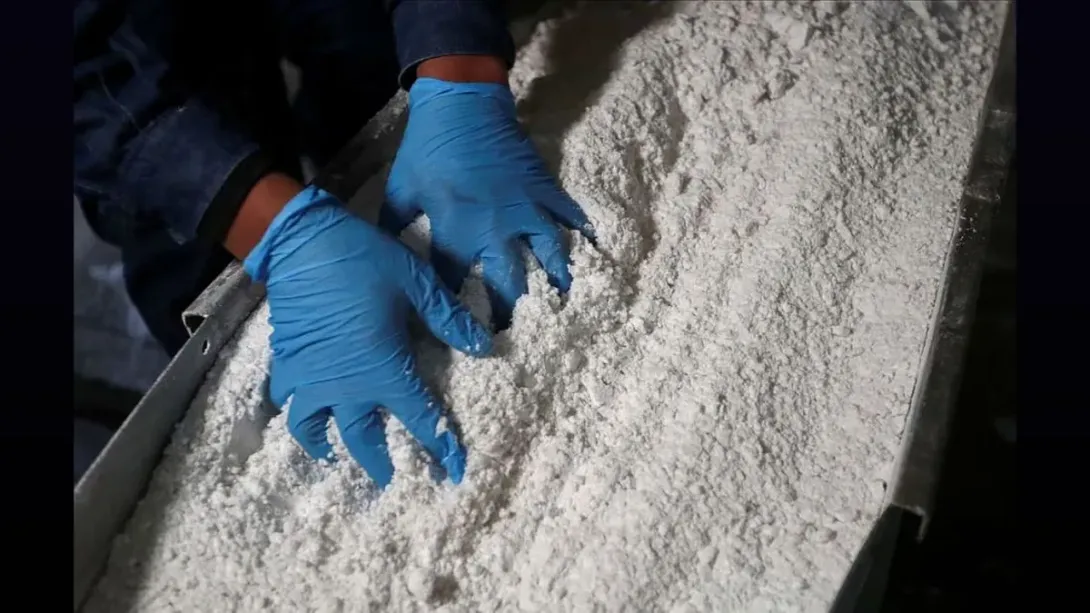
India and Chile are moving closer to finalising a Comprehensive Economic Partnership Agreement (CEPA) aimed at expanding bilateral trade and strategic cooperation, with critical minerals—especially lithium—emerging as a central focus. After three rounds of negotiations, both nations are working toward completing the deal by the end of 2025. The agreement seeks to deepen collaboration in trade, investment, digital commerce, and sustainable mining. As India pushes to secure key resources for its clean energy transition, Chile’s vast mineral reserves could play a pivotal role in shaping future supply chains and strengthening Indo–Latin American economic relations.
Expanding Beyond Trade: A Strategic Economic Vision
The India–Chile CEPA represents a significant step forward from their existing Preferential Trade Agreement (PTA), signed in 2006 and expanded in 2017. Unlike conventional trade pacts, this proposed framework aims to integrate critical sectors such as investment, services, digital economy, and mineral resource cooperation.
For India, the strategic importance of this agreement lies in securing access to lithium, a critical input for electric vehicles (EVs), energy storage systems, and the broader green transition. As the world’s third-largest energy consumer, India’s demand for clean technologies is surging—making stable mineral supply lines a national priority.
Chile, holding nearly 40% of global lithium reserves, stands as a natural partner in this transformation. The South American nation’s strengths in copper, lithium, and other key minerals complement India’s industrial and technological ambitions, particularly as New Delhi accelerates its push for domestic manufacturing and renewable infrastructure.
Progress on Negotiations and Key Focus Areas
Since the Terms of Reference were signed in May 2025, three negotiation rounds have been concluded, covering 17 thematic tracks including trade in goods, services, investment, MSME collaboration, and digital economy frameworks. The most recent round, held in Santiago, concentrated heavily on the minerals chapter—a complex area involving sustainability, supply-chain resilience, and technology sharing.
Chile’s Ambassador to India, Juan Angulo, confirmed that both sides are committed to concluding the CEPA by the end of the year. Discussions have increasingly centred on ensuring that resource cooperation extends beyond raw mineral exports to include processing and technology partnerships. This reflects India’s desire not only to import raw lithium but also to participate in refining, battery manufacturing, and recycling ecosystems.
Critical Minerals and Green Supply Chain Integration
The partnership’s cornerstone is cooperation on critical minerals essential for the global energy transition. India’s growing EV market—expected to reach $150 billion by 2030—faces a major supply constraint in lithium and cobalt. The CEPA could address this gap by enabling joint ventures, facilitating technology transfer, and establishing long-term offtake agreements with Chilean mining firms.
Moreover, the deal could help both nations position themselves as reliable players in global green supply chains. Chile seeks to diversify its trade partners beyond China and the United States, while India aims to reduce dependence on a few mineral sources. By aligning their interests, both countries can contribute to building a more secure, sustainable, and diversified global mineral economy.
Economic and Trade Benefits
A successful CEPA could significantly boost bilateral trade, which currently stands at around $3 billion annually. Tariff reductions are expected on over 90% of traded goods, providing a competitive edge to sectors such as Indian pharmaceuticals, textiles, and automotive components, while opening India’s markets to Chilean agricultural and mineral exports.
Beyond trade in goods, the pact could open new avenues for service exports, investment in technology, and startup collaboration—particularly in clean energy, digital trade, and infrastructure. For India’s renewable-energy ambitions, this agreement could serve as a foundation for building long-term partnerships in green technology manufacturing and sustainable resource utilisation.
Challenges and the Road Ahead
Despite optimism, several hurdles remain. Negotiations on environmental safeguards, intellectual property rights, and investment protection need to be resolved. Additionally, India’s trade deficit with Chile—largely driven by mineral imports—will require calibrated policy measures to ensure balanced benefits for both economies.
Sustainability will be another critical issue. As both nations expand mineral extraction and processing, ensuring adherence to environmental, social, and governance (ESG) standards will be essential to maintain credibility and public trust.
Conclusion: A Blueprint for Sustainable Global Partnership
The India–Chile CEPA, if finalised, could redefine India’s engagement with Latin America and set a new precedent for resource-based partnerships rooted in sustainability and technology exchange. Beyond trade, it represents a strategic alignment of two nations seeking to secure their roles in the emerging green economy.
By bridging India’s manufacturing potential with Chile’s resource abundance, the CEPA could become a model for 21st-century economic diplomacy—one that links development goals with environmental responsibility and long-term industrial growth.
Comments