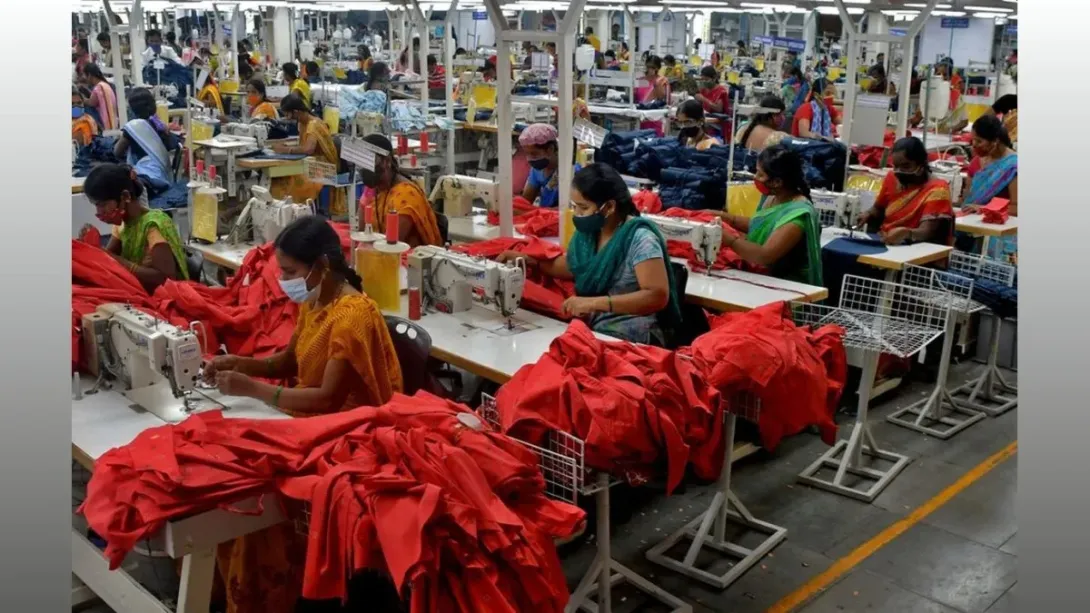
The Ministry of Textiles is finalizing a comprehensive procurement blueprint to support cotton farmers through the Minimum Support Price (MSP) mechanism. With cotton prices under pressure from volatile global demand and shifting domestic supply patterns, the government aims to reinforce income stability for cultivators while ensuring reliable raw material access for the textile industry. The initiative, led by the Cotton Corporation of India (CCI), is expected to serve as a safety net for growers in major producing states while also bolstering the competitiveness of India’s textile and apparel exports in global markets.
A Structured Procurement Approach
The procurement drive will be spearheaded by the CCI, which is mandated to intervene in the market whenever cotton prices dip below the MSP. This ensures that farmers are shielded from distress sales during periods of price depression. By preparing a clear operational roadmap in advance of the harvest season, the ministry seeks to minimize disruptions, strengthen price discovery, and guarantee timely intervention across cotton-growing regions such as Maharashtra, Gujarat, Telangana, and Andhra Pradesh.
Protecting Farmer Incomes
The program’s central objective is to provide a financial cushion to small and marginal farmers who remain most vulnerable to price fluctuations. Cotton, being a high-dependency cash crop, often subjects growers to market risks that can jeopardize their livelihood. The MSP system, supported by efficient procurement, is designed to create predictability in income flows. This approach aligns with broader rural development goals, where agricultural stability serves as a cornerstone of social and economic security in agrarian states.
Stabilizing the Textile Industry
India’s textile sector, a critical pillar of manufacturing and exports, is heavily reliant on the steady availability of cotton at viable rates. By ensuring a structured supply pipeline through MSP-backed procurement, the government is indirectly safeguarding the competitiveness of textile manufacturers and exporters. This move also mitigates input cost volatility, enabling producers to plan better and maintain consistent pricing for domestic and overseas buyers. With global apparel markets facing uncertainties, predictable access to raw cotton becomes a strategic advantage for Indian exporters.
Economic and Policy Implications
Beyond agriculture and industry, the cotton MSP plan carries significant macroeconomic weight. A well-executed procurement system not only uplifts millions of rural households but also strengthens India’s position in global textile trade. Policymakers see this as a dual-purpose initiative—balancing farmer welfare with industrial resilience. The ministry’s proactive stance reflects a broader government intent to insulate critical sectors from external shocks while promoting inclusive growth.
Comments