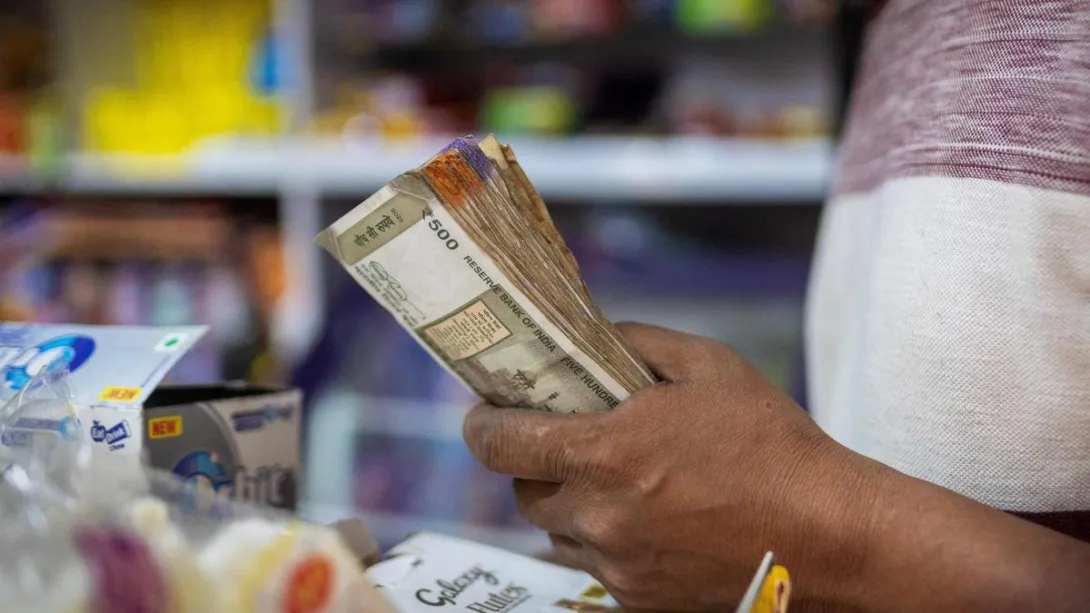
The Indian rupee is once again confronting significant downward pressure as global monetary tightening, persistent trade imbalances, and uneven capital inflows converge to weaken the currency. A stronger U.S. dollar, combined with India’s heavy import dependence and subdued exporter hedging, has contributed to a widening gap between foreign-exchange demand and supply. Despite assurances from the Reserve Bank of India (RBI) that it does not defend any predetermined exchange-rate level, its growing interventions highlight the heightened volatility in the currency market. The rupee’s trajectory raises concerns for corporate margins, inflation, and the broader financial ecosystem.
Rupee Weakens Amid Global Dollar Dominance
The latest bout of rupee depreciation is closely tied to global macroeconomic shifts. As the U.S. Federal Reserve maintains a firm stance on interest rates to contain inflation, the dollar has continued to strengthen against most emerging-market currencies. Higher U.S. yields have redirected global capital toward dollar-denominated assets, reducing investor appetite for emerging markets such as India. This flight to safety has placed consistent upward pressure on the dollar and weakened the rupee, which recently slipped to fresh record lows.
India’s Trade Dynamics Add to Currency Stress
India’s structural reliance on imports—particularly crude oil, gold and essential industrial inputs—has further strained the currency. Rising import bills, in contrast with relatively slower export growth, have widened the trade deficit and intensified demand for foreign currency.
A notable trend exacerbating the situation is the divergence in hedging behavior. Importers are actively securing dollars in anticipation of further depreciation, while exporters are delaying dollar conversions in hopes of more favorable rates. This imbalance reduces natural liquidity in the forex market, amplifying volatility and reinforcing downward pressure on the rupee.
RBI’s Balancing Act: Flexibility Over Fixation
The Reserve Bank of India has reiterated that it does not target a specific exchange-rate threshold, opting instead for a managed-float regime that seeks to curb excessive volatility rather than maintain a fixed level. However, its steady presence in the spot and forward markets indicates increasing pressure to stabilize the currency.
While India’s substantial foreign-exchange reserves provide some cushion, prolonged interventions could limit the RBI’s operational flexibility. Analysts note that unless capital flows strengthen or global economic conditions turn more supportive, the central bank may have to walk a tightrope between currency stability and reserve preservation.
Broader Economic Implications
A weakening rupee reverberates across the economy. Imported inflation is a key concern: costlier crude oil, machinery, and consumer goods threaten to push up domestic prices, complicating monetary-policy decisions. For corporates—especially those with unhedged foreign-currency debt or heavy import dependence—margin pressures may intensify.
Foreign investors also face reduced dollar-adjusted returns, which could temper equity and debt inflows. This, in turn, risks creating a feedback loop that further affects market sentiment and exchange-rate stability.
Looking Ahead: What Could Stabilize the Rupee?
The rupee’s near-term direction will depend on a mix of domestic resilience and global triggers. A revival in foreign institutional inflows, moderation in import demand, or signs of easing U.S. monetary policy could offer relief. Structural reforms to bolster exports and deepen domestic manufacturing capabilities would also provide long-term support.
Until these factors align, currency volatility is likely to persist, reinforcing the need for businesses and investors to adopt more robust hedging strategies and contingency planning.
Comments