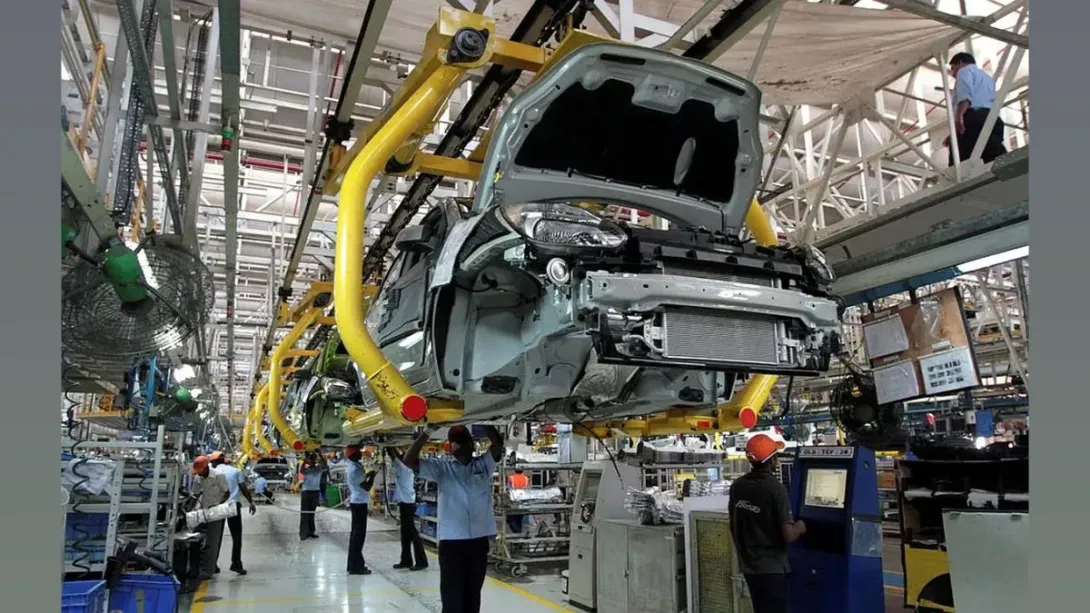
India’s passenger vehicle market experienced a 9% year-on-year decline in August, according to the Society of Indian Automobile Manufacturers (SIAM). The contraction reflects ongoing challenges in the sector, including rising interest rates, higher fuel costs, and cautious consumer sentiment. Both domestic and export sales were impacted, with compact cars and SUVs facing the steepest drops. Analysts highlight that while demand remains resilient in select segments, macroeconomic pressures and tightening credit conditions are tempering growth. The data signals potential headwinds for automakers, who may need to recalibrate production and marketing strategies to navigate a subdued market environment.
Passenger Vehicle Sales Overview
According to SIAM, total passenger vehicle sales in August registered a 9% decline compared with the same period last year. Both domestic sales and exports contributed to the slowdown, indicating a broad-based moderation in demand.
Segment-wise, compact cars and mid-sized SUVs bore the brunt of the decline, while premium and electric vehicle segments demonstrated relative resilience. Automakers have cited factors such as rising input costs and credit tightening as key reasons for the dip in consumer purchases.
Factors Driving the Sales Dip
Several macroeconomic and industry-specific factors influenced the contraction in passenger vehicle sales:
- Rising Interest Rates: Higher loan rates have increased financing costs for consumers, affecting affordability.
- Fuel Price Volatility: Elevated petrol and diesel prices have dampened demand, particularly for fuel-intensive models.
- Consumer Sentiment: Economic uncertainty and inflationary pressures have prompted buyers to postpone discretionary spending on vehicles.
- Supply Chain Constraints: Residual disruptions in semiconductor availability and logistics issues have also affected production schedules.
These factors collectively contributed to the slowdown observed in August.
Impact on Automakers and Market Outlook
The decline poses strategic challenges for automakers, necessitating careful inventory management and promotional strategies to stimulate demand. Companies may increasingly focus on segments showing resilience, such as electric vehicles (EVs) and premium models, to maintain margins.
Industry experts anticipate that policy measures, such as interest rate adjustments or incentives for EV adoption, could provide a temporary boost. However, sustained growth will depend on broader macroeconomic stabilization and consumer confidence recovery.
Electric Vehicles and Niche Segments
Despite the overall contraction, EV sales continued to show promise. Growing awareness, government incentives, and rising fuel costs have driven adoption of electric mobility, signaling a structural shift in the industry. Premium and luxury segments also maintained stable demand, reflecting changing consumer preferences toward aspirational vehicles.
This trend underscores the importance of diversification and innovation for automakers aiming to navigate a challenging environment while tapping into emerging growth areas.
Outlook
While the 9% decline in passenger vehicle sales underscores near-term challenges, industry analysts remain cautiously optimistic about the medium-term outlook. Economic recovery, easing of financing conditions, and rising consumer confidence could stabilize demand in the coming months.
Automakers that adapt to evolving market dynamics—focusing on EVs, premium models, and strategic pricing—are likely to emerge stronger, even as the broader passenger vehicle segment navigates a period of moderate headwinds.
Comments