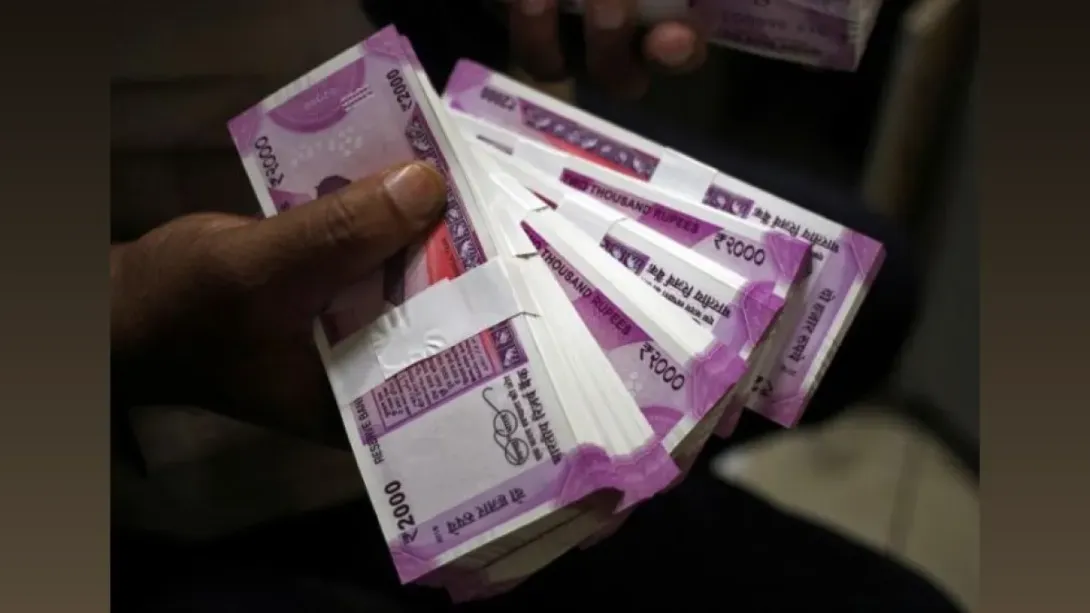
The Indian rupee experienced a decline against the US dollar, reflecting a combination of global and domestic economic pressures. Currency traders cited factors such as rising US Treasury yields, strong dollar momentum, and concerns over India’s trade deficit. Additionally, capital outflows from equity and debt markets amplified downward pressure on the rupee. The depreciation has immediate implications for import costs, inflationary trends, and corporate earnings with dollar-denominated expenses. Analysts suggest that while short-term volatility is likely, long-term currency stability will depend on macroeconomic management, foreign investment inflows, and central bank interventions to safeguard investor confidence and economic resilience.
Current Market Movements
- Exchange Rate: The rupee opened weaker, slipping by 0.4% against the US dollar to trade around Rs. 83.25, following global market trends.
- Trading Activity: Elevated volatility was observed in both spot and futures currency markets as traders adjusted positions amid shifting global cues.
- Comparative Performance: The Indian rupee underperformed regional peers such as the Singapore dollar and Malaysian ringgit, highlighting external vulnerabilities.
Key Factors Driving the Decline
- Global Dollar Strength: A stronger US dollar, supported by rising Treasury yields and persistent US economic growth, exerted pressure on emerging market currencies.
- Capital Outflows: Foreign institutional investors’ partial exit from Indian equity and debt markets contributed to reduced demand for the rupee.
- Trade Deficit Pressures: Elevated imports, particularly in crude oil and electronics, widened the trade deficit, increasing demand for foreign currency.
- Inflation Concerns: Rising global commodity prices risk feeding domestic inflation, prompting cautious sentiment among traders and investors.
Impact on Domestic Economy
- Imports and Inflation: A weaker rupee increases the cost of imports, potentially accelerating inflation in essential commodities and industrial inputs.
- Corporate Earnings: Companies with significant dollar-denominated expenses, including IT services and energy firms, may face margin pressures.
- Investment Sentiment: Currency volatility could influence foreign investment decisions, affecting inflows into equities, bonds, and portfolio instruments.
Analyst Perspectives
- Short-Term Outlook: Market experts anticipate continued volatility in the near term, with possible fluctuations between Rs. 82.50 and Rs. 84 against the dollar.
- Policy Measures: The Reserve Bank of India may intervene via liquidity management, currency swaps, or interest rate adjustments to stabilize the rupee.
- Investor Strategy: Analysts recommend hedging foreign exposure, diversifying portfolios, and monitoring global macroeconomic indicators for informed decisions.
Conclusion
The rupee’s depreciation against the US dollar underscores the interplay of global macroeconomic forces, domestic trade dynamics, and capital market flows. While short-term weakness may persist, long-term stability will hinge on careful economic policy, foreign investment inflows, and effective currency management by authorities. Market participants are advised to remain vigilant, balancing immediate currency risks with strategic investment planning in a complex and interconnected financial environment.
Comments