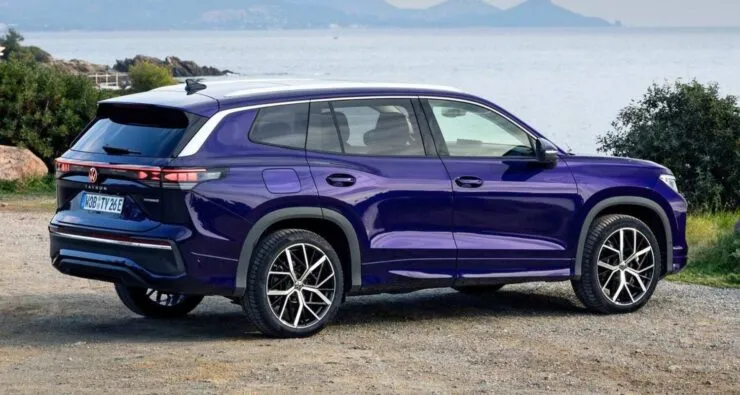
India’s sports utility vehicle (SUV) segment continues to expand, driven by rising disposable incomes, urbanization, and shifting consumer preferences toward versatile and premium vehicles. Industry reports indicate a robust year-on-year sales increase, with both compact and mid-sized SUVs leading demand. Manufacturers are responding with new launches, localized production, and enhanced features to cater to aspirational buyers. Analysts note that favorable financing options, safety features, and fuel-efficient technologies are further boosting SUV adoption. The trend reflects broader economic resilience, evolving mobility preferences, and growing confidence in India’s automotive sector, positioning SUVs as a key driver of domestic automobile growth.
Market Dynamics and Growth Drivers
The SUV segment in India is witnessing strong growth due to multiple factors:
- Rising middle-class income enables consumers to afford higher-value vehicles.
- Urbanization and lifestyle changes increase demand for vehicles with greater space and versatility.
- Enhanced road infrastructure encourages adoption of SUVs for long-distance travel and leisure purposes.
Compact SUVs dominate urban markets, while premium and mid-sized SUVs are gaining traction in Tier-1 and Tier-2 cities. Analysts highlight that consumers increasingly value safety, comfort, and advanced technology, making SUVs an attractive segment.
Sales Performance and Manufacturer Strategies
Leading automotive brands report significant upticks in SUV sales, with several models consistently ranking among the top-selling vehicles in the country. Manufacturers are introducing hybrid and electric variants, localized production to reduce costs, and financing schemes to improve accessibility.
Marketing campaigns focus on premium design, off-road capability, and family-friendly features, resonating with aspirational buyers. Industry observers predict that SUV launches in festive seasons further stimulate demand and strengthen brand visibility.
Consumer Preferences and Segment Trends
Recent trends reveal that buyers prioritize:
Fuel efficiency and low running costs.
Advanced safety features, including airbags, ABS, and electronic stability controls.
Connectivity and infotainment options, aligning with tech-savvy consumers.
Additionally, compact SUVs are increasingly preferred in congested urban areas, while mid-sized and premium SUVs appeal to affluent consumers seeking comfort, performance, and long-distance capabilities.
Economic and Sectoral Implications
The growth of the SUV segment contributes to manufacturing employment, ancillary industries, and domestic supply chain development. Analysts estimate that SUV sales account for a growing share of total vehicle sales, enhancing revenue streams for automakers and dealerships.
Financial institutions benefit from rising demand for vehicle financing and insurance products, while increased SUV penetration supports the development of urban mobility infrastructure and service networks.
Challenges and Market Outlook
Despite robust growth, the SUV market faces challenges:
- Rising fuel prices can influence buyer decisions.
- Regulatory changes regarding emissions and safety standards require adaptation.
- Global supply chain disruptions, particularly in semiconductors, can affect production timelines.
Analysts suggest that continued innovation, electrification, and targeted marketing will help manufacturers sustain momentum and capture new consumer segments.
Conclusion
India’s SUV market is emerging as a key growth engine for the automotive industry, driven by rising incomes, urban lifestyle adoption, and consumer preference for versatile vehicles. With strong sales, innovative product launches, and technological enhancements, the segment reflects both economic optimism and evolving mobility trends. As manufacturers continue to innovate and cater to diverse consumer needs, SUVs are poised to remain a dominant force, shaping the future of India’s automobile landscape and contributing meaningfully to the broader economy.
Comments