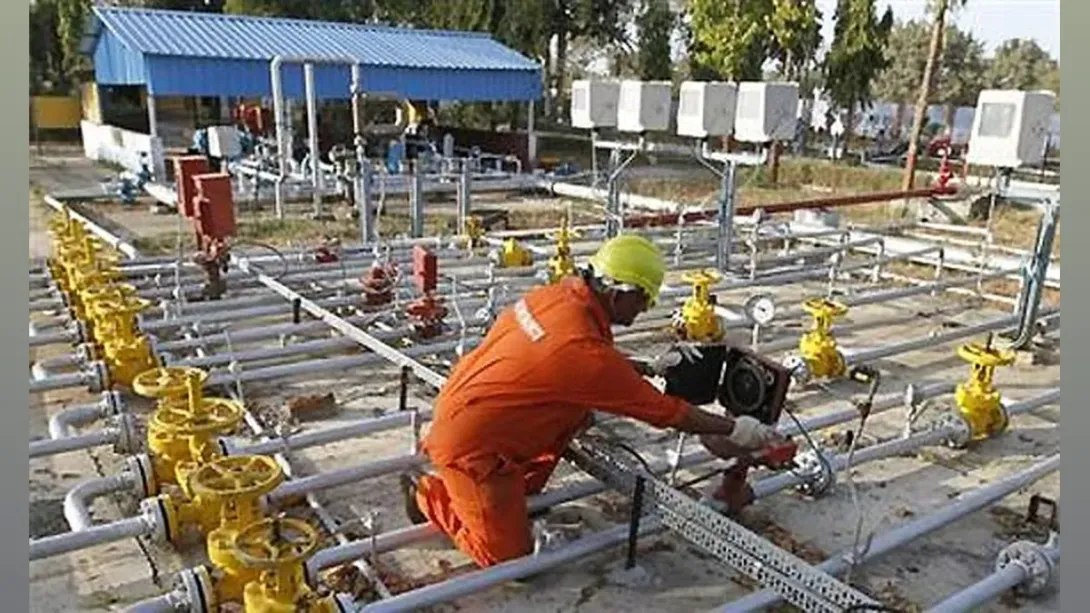
India’s state-run energy major reported a robust rise in third-quarter profit, supported by incremental gas production from newly commissioned wells and a moderation in statutory levies. The improved earnings underscore the company’s operational resilience amid fluctuating crude prices and evolving fiscal frameworks. Enhanced output from domestic fields strengthened revenue realization, while a reduction in windfall-related burdens eased margin pressures. The performance reflects strategic capital deployment in upstream assets and disciplined cost management. As India intensifies its focus on energy security and domestic exploration, the company’s quarterly results offer insights into the sector’s near-term trajectory and financial sustainability.
Earnings Performance in Q3
Oil and Natural Gas Corporation posted a year-on-year increase in net profit for the third quarter, driven primarily by higher natural gas output and a decline in government-imposed levies. The state-owned exploration and production major benefited from incremental production volumes following the commissioning of new wells across key domestic basins.
Revenue growth was further supported by stable realizations in the domestic market, although global crude benchmarks remained subject to volatility during the quarter.
Production Gains from New Wells
The company reported improved gas output attributable to recently operationalized wells. These additions enhanced aggregate production and improved asset utilization ratios across its upstream portfolio.
Domestic gas demand remains structurally firm, underpinned by consumption from power generation, fertilizers and city gas distribution networks. Incremental supply from new wells helped the company capitalize on this demand environment, strengthening topline performance.
Impact of Lower Government Levies
A notable contributor to the quarter’s improved profitability was the reduction in special levies imposed on crude production. The government had previously introduced windfall-related taxes to capture extraordinary gains during periods of elevated global prices. The moderation of such levies during the reporting period eased fiscal pressure on upstream operators.
Lower statutory outgo translated into improved operating margins, providing a cushion against input cost fluctuations and currency volatility.
Margin Dynamics and Cost Discipline
The company’s earnings trajectory reflects disciplined cost management across exploration and development activities. Operating efficiencies, coupled with rationalized capital expenditure, contributed to margin expansion.
However, analysts caution that upstream profitability remains sensitive to international crude price movements and regulatory interventions. While lower levies provided immediate relief, the fiscal framework governing hydrocarbon production continues to evolve in response to global price cycles.
Strategic Context: Domestic Energy Security
The improved quarterly performance aligns with India’s broader objective of enhancing domestic hydrocarbon production. Policymakers have emphasized reducing import dependency through increased exploration and faster project execution.
For ONGC, sustained investment in mature basins and frontier exploration remains central to long-term value creation. The addition of new gas wells signals progress in offsetting natural production decline from aging fields.
Outlook and Sector Implications
Looking ahead, the company’s financial performance will hinge on a combination of production stability, global energy prices and policy continuity. Incremental gas output provides structural support, yet volatility in international oil markets could influence future earnings.
The third-quarter results underscore the interplay between operational efficiency and regulatory policy in shaping profitability. As India navigates a complex energy transition landscape, upstream operators must balance growth ambitions with fiscal prudence and market realities.
In sum, ONGC’s latest quarterly results highlight renewed earnings momentum, underpinned by production gains and a more favorable levy environment—an encouraging signal for investors tracking India’s upstream energy sector.
Comments