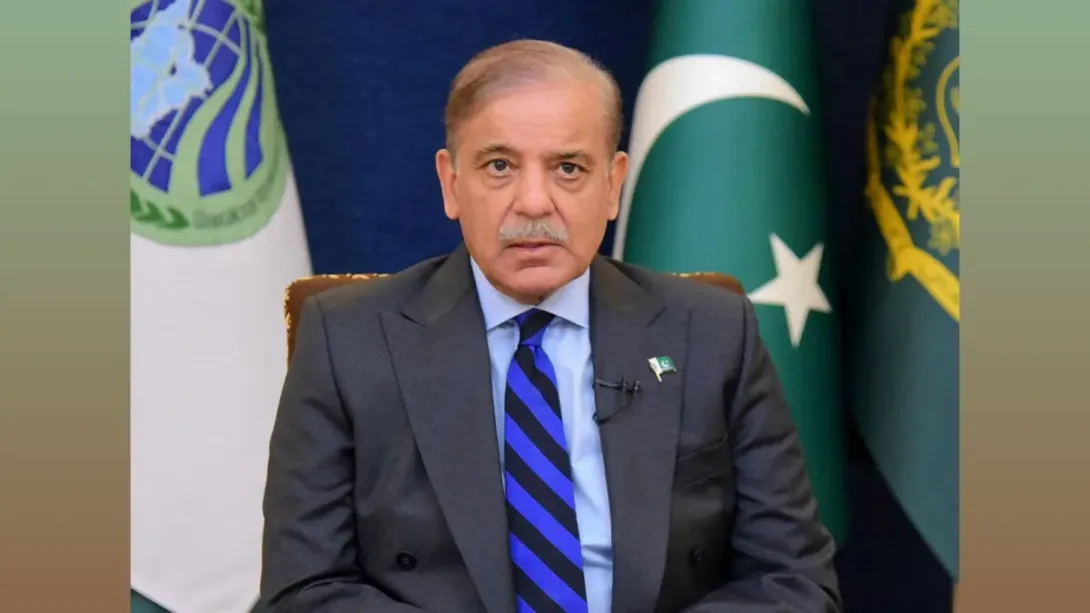
Pakistan’s government has ordered strict action against the hoarding of petroleum products as authorities move to safeguard energy supplies amid rising regional tensions linked to the ongoing Iran conflict. Prime Minister Shehbaz Sharif convened a high-level meeting with federal ministers and provincial representatives to review the country’s fuel reserves and supply chain stability. Officials reported that current petroleum stocks are sufficient to meet domestic demand, but precautionary measures are being implemented to prevent artificial shortages and market manipulation. The directive underscores the government’s efforts to maintain supply stability, protect consumers, and ensure uninterrupted energy availability during a period of heightened geopolitical uncertainty.
Government Moves to Prevent Fuel Market Disruptions
Pakistan’s federal government has issued directives to take strict action against individuals or businesses involved in hoarding petroleum products, as authorities work to ensure stable fuel supply across the country.
The directive follows growing concerns about potential disruptions to regional energy markets triggered by geopolitical tensions in the Middle East. Policymakers fear that speculation and stockpiling could create artificial shortages and trigger price volatility in domestic fuel markets.
Officials emphasized that preventing hoarding is essential to maintaining market stability and ensuring that consumers and businesses continue to receive uninterrupted access to fuel supplies.
High-Level Review of National Fuel Reserves
To address the situation, Prime Minister Shehbaz Sharif chaired a high-level meeting involving senior government officials and representatives from all four provinces.
During the meeting, the Ministry of Petroleum provided a comprehensive briefing on the country’s existing petroleum reserves and supply logistics. The discussion focused on evaluating the nation’s preparedness to handle potential disruptions in international energy markets.
According to officials involved in the meeting, the review confirmed that Pakistan currently possesses sufficient petroleum stocks to meet national demand for the foreseeable future.
Regional Geopolitics Raising Energy Concerns
The government’s precautionary measures come against the backdrop of escalating tensions in the region, particularly developments related to the Iran conflict.
Energy markets are often highly sensitive to geopolitical developments, especially in regions that play a significant role in global oil supply chains. Even the perception of supply risks can lead to market speculation, sudden price movements, and stockpiling behavior.
For energy-importing countries such as Pakistan, maintaining stable domestic fuel markets becomes a priority during such periods of uncertainty.
Directive to Provinces for Strict Enforcement
During the meeting, the prime minister instructed provincial administrations to intensify monitoring of petroleum supply chains and take legal action against those found hoarding fuel products.
Authorities were urged to ensure that petroleum distribution channels remain transparent and that retail fuel outlets maintain regular supply levels.
Strict enforcement measures may include inspections, penalties, and legal proceedings against individuals or companies attempting to manipulate fuel availability for speculative profit.
Such actions are intended to deter market manipulation and protect consumers from potential supply disruptions.
Importance of Energy Security for Economic Stability
Fuel availability plays a critical role in sustaining economic activity. Transportation networks, industrial operations, power generation facilities, and agricultural supply chains all depend heavily on stable access to petroleum products.
Any disruption in fuel supply can have cascading effects across the economy, leading to higher logistics costs, production delays, and inflationary pressures.
By ensuring adequate reserves and preventing hoarding, the government aims to minimize the risk of energy-related economic disruptions.
Strengthening Supply Chain Monitoring
Officials indicated that authorities will closely monitor the movement and distribution of petroleum products throughout the country. Enhanced oversight of transportation routes, storage facilities, and retail outlets will help identify irregularities in supply patterns.
Such monitoring is particularly important during periods of global market volatility, when opportunistic hoarding can distort market dynamics.
Improved coordination between federal and provincial authorities is expected to play a key role in maintaining supply stability.
Balancing Market Confidence and Consumer Protection
Government interventions during periods of market uncertainty often aim to balance two critical objectives: preserving investor confidence in energy supply systems while protecting consumers from price manipulation.
By publicly affirming that petroleum reserves remain adequate, policymakers hope to discourage panic buying and speculative behavior.
At the same time, strict enforcement against hoarding sends a strong signal that authorities are prepared to act decisively against practices that threaten market stability.
Conclusion
Pakistan’s decision to crack down on petroleum hoarding reflects the government’s proactive approach to safeguarding energy security during a period of regional geopolitical uncertainty. While officials have confirmed that existing fuel reserves are sufficient to meet national demand, preventive measures are being implemented to ensure that supply chains remain stable.
By combining regulatory oversight, enforcement actions, and close coordination between federal and provincial authorities, the government aims to maintain uninterrupted fuel availability and protect the broader economy from potential energy market disruptions.
Comments