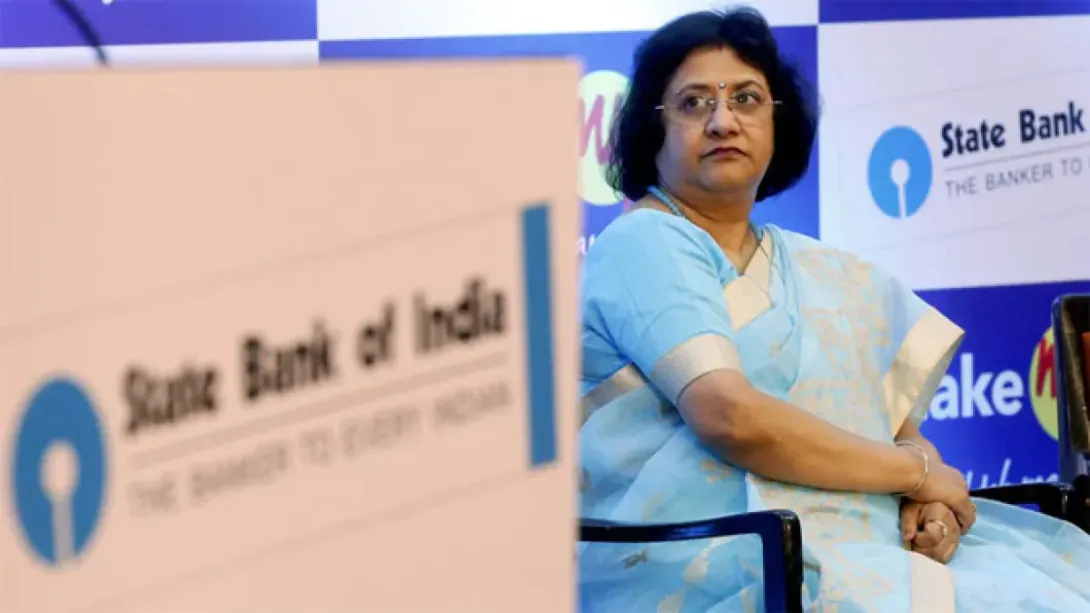
State Bank of India (SBI), the country’s largest lender by assets, reported a 13 percent year-on-year increase in net profit for the third quarter, reaching Rs. 21,317 crore. The performance reflects steady credit growth, improved asset quality and resilient net interest margins amid evolving macroeconomic conditions. The bank’s quarterly results underscore the strength of India’s banking sector as it navigates inflationary pressures, liquidity normalization and rising competition. Robust loan expansion across retail, corporate and MSME segments, coupled with controlled provisioning, contributed to earnings stability and reinforced investor confidence in the public sector giant’s balance sheet trajectory.
Earnings Performance: Sustained Growth Momentum
State Bank of India delivered a solid third-quarter performance, with net profit climbing 13 percent to Rs. 21,317 crore compared with the same period last year. The improvement highlights operational discipline and revenue resilience in a competitive banking environment.
The growth in bottom-line earnings was driven by higher net interest income, stable spreads and an expansion in the advances portfolio. Analysts note that the bank’s scale advantage continues to translate into consistent earnings performance, even as funding costs adjust to changing liquidity conditions.
The quarterly numbers reflect a broader recovery trend in India’s banking ecosystem, where stronger balance sheets are supporting sustained profitability.
Credit Growth and Loan Portfolio Expansion
SBI’s advances portfolio expanded steadily during the quarter, supported by healthy demand across retail, agriculture and corporate segments. Retail lending remains a primary growth engine, particularly in home loans and personal credit.
Corporate lending also demonstrated renewed traction, indicating improved capital expenditure cycles and stronger business sentiment. The bank’s diversified loan mix provides stability, reducing concentration risks and supporting long-term earnings sustainability.
Credit growth in India has remained robust in recent quarters, aided by economic expansion and improved borrower confidence. SBI’s dominant market share positions it favorably to capture incremental demand.
Asset Quality and Provisioning Discipline
Asset quality metrics continued to improve, reflecting prudent underwriting standards and proactive risk management. Lower slippages and disciplined provisioning supported profitability during the quarter.
Public sector banks have focused heavily on reducing non-performing assets in recent years. SBI’s progress in strengthening its loan book demonstrates structural improvement rather than cyclical recovery.
Controlled credit costs enhance return on assets and return on equity, reinforcing the bank’s financial resilience.
Net Interest Margins and Operational Efficiency
Net interest margins remained stable, supported by calibrated repricing of loans and effective liability management. Although funding costs have risen across the system, SBI’s extensive deposit base provides relative insulation against margin compression.
Operational efficiency gains and digital adoption have also contributed to cost containment. Technology-driven service delivery models are reducing transaction costs while expanding customer reach.
The integration of digital banking platforms with a vast branch network continues to strengthen SBI’s competitive positioning.
Capital Adequacy and Strategic Outlook
Strong internal accruals have bolstered capital buffers, enabling the bank to pursue growth without compromising regulatory compliance. Adequate capital adequacy ratios provide flexibility for future lending expansion and risk absorption.
Market observers believe that SBI’s consistent profitability trend signals structural strength in India’s public sector banking framework. With macroeconomic indicators pointing toward steady domestic demand, credit growth is expected to remain healthy in the coming quarters.
Broader Banking Sector Implications
SBI’s quarterly performance serves as a barometer for the Indian banking industry. As the largest lender, its results often reflect broader credit cycles and liquidity dynamics.
The 13 percent rise in net profit to Rs. 21,317 crore underscores the sector’s improved asset quality, stronger capital positions and operational modernization. While global economic uncertainties persist, domestic banking fundamentals appear resilient.
For investors and policymakers alike, the quarter’s results reinforce confidence that India’s banking sector remains well-positioned to support economic growth while maintaining financial stability.
Comments