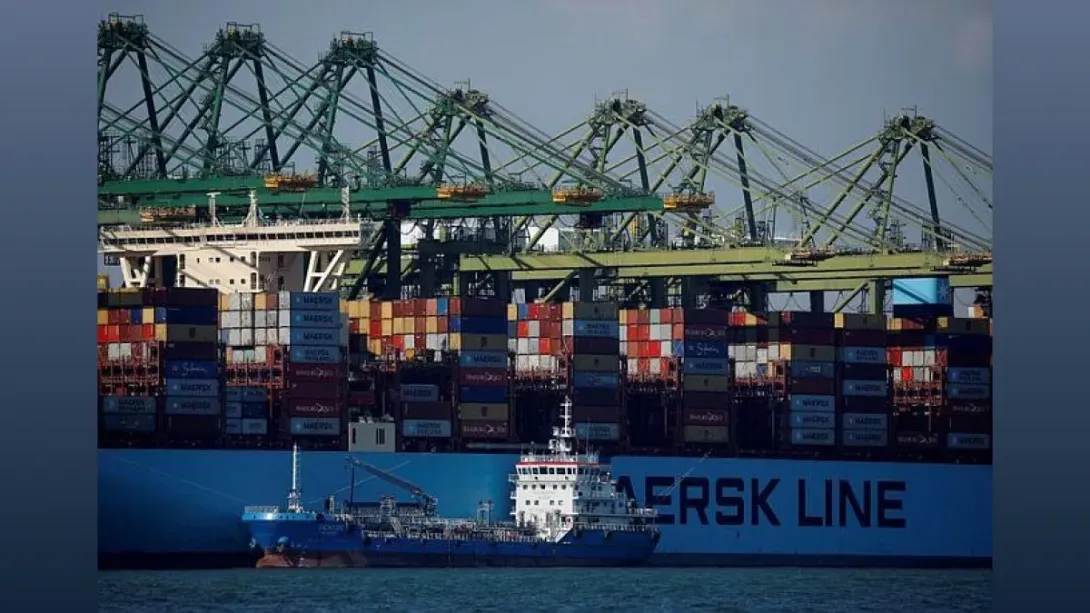
India is poised for an unprecedented wave of investments worth Rs. 80 lakh crore across key sectors, signaling a new chapter in the nation’s economic transformation. The projected inflows are expected to strengthen infrastructure, boost manufacturing, and accelerate the adoption of renewable energy while simultaneously generating millions of jobs. This infusion of capital underscores global confidence in India’s growth trajectory and its resilience amid uncertain global conditions. For policymakers, the challenge lies in ensuring that these investments translate into sustainable development, balancing economic expansion with fiscal prudence and social inclusivity. The momentum could redefine India’s standing in the global economy.
A Defining Moment for Indian Economy
The investment pipeline of Rs. 80 lakh crore reflects the country’s evolving role as a magnet for both domestic and foreign capital. India’s large consumer base, demographic dividend, and ongoing structural reforms have positioned it as an attractive destination for long-term growth. Analysts note that such inflows can not only expand industrial capacity but also enhance India’s competitiveness on the global stage.
Key Sectors Driving the Momentum
Much of the projected investment is expected to flow into infrastructure, with transportation, logistics, and urban development taking priority. Renewable energy and green technologies are also commanding significant attention, aligning with India’s commitments toward net-zero goals. Simultaneously, manufacturing is likely to receive strong impetus under initiatives such as “Make in India,” as companies diversify supply chains to reduce dependence on single geographies.
Employment and Social Impact
The anticipated investments have the potential to generate substantial employment opportunities, particularly in construction, manufacturing, and services. Experts highlight that if executed effectively, this could help absorb India’s expanding workforce while raising living standards across urban and semi-urban centers. The multiplier effect of large-scale capital inflows can further stimulate demand in allied sectors such as real estate, retail, and banking.
Policy Support and Structural Reforms
Government reforms—ranging from simplified regulatory frameworks to production-linked incentives—are playing a pivotal role in attracting large-scale investments. Fiscal prudence, stable monetary policy, and efforts to improve ease of doing business provide additional reassurance to investors. However, timely execution of projects and continued focus on policy consistency will be essential to sustain this momentum.
Balancing Growth and Sustainability
While the Rs. 80 lakh crore investment forecast is a promising development, its long-term success hinges on sustainable implementation. Balancing industrial expansion with environmental safeguards, promoting inclusive growth, and ensuring equitable regional development remain key imperatives. For India, this moment represents not only an economic opportunity but also a test of governance and vision.
Comments