India’s auto retail sector experienced a moderate slowdown in July, with overall sales declining 5% year-on-year amid monsoon disruptions, overstocked inventories, and muted demand in key segments. Two-wheelers, passenger vehicles, and tractors saw negative growth, indicating cautious consumer sentiment despite favorable macroeconomic conditions. Commercial vehicles, however, posted a marginal uptick, aided by pre-festive procurement and infrastructure activity. As the festive season nears, the industry is banking on inventory correction, better rural sentiment, and new model launches to reverse the downward trend. Still, dealership profitability remains under pressure, underscoring the need for demand recalibration and prudent inventory management.
Retail Sales Slide Amid Multiple Headwinds
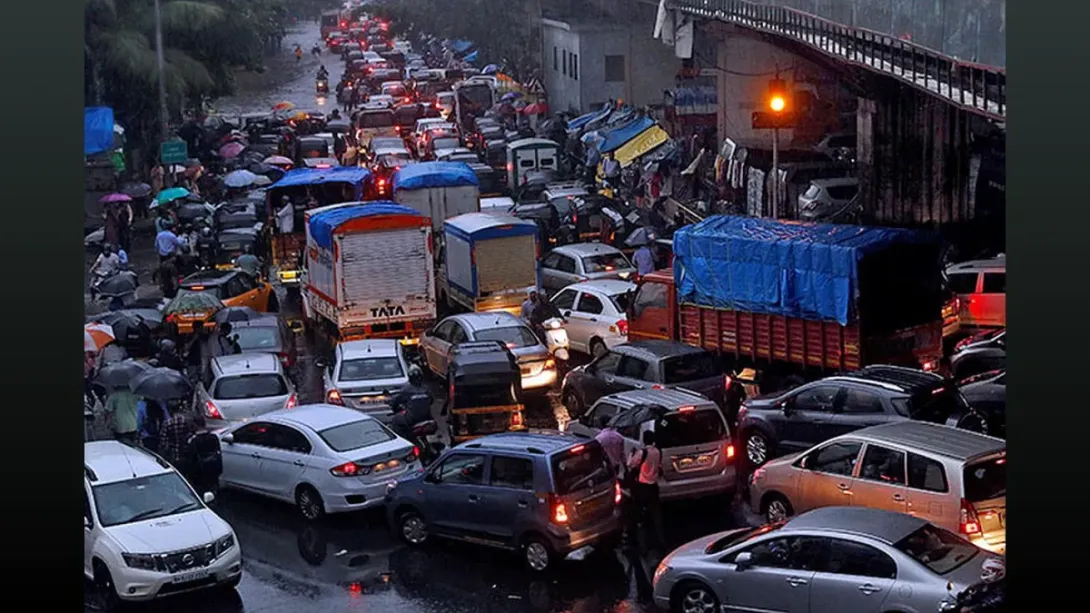
India’s automotive retail sector recorded a noticeable deceleration in July, with total vehicle registrations falling by 5% on a year-over-year basis. This downturn reflects a mix of seasonal patterns, supply chain adjustments, and cautious consumer behavior. July’s monsoon intensity, particularly in key rural and semi-urban pockets, contributed to reduced footfall across dealerships, affecting both two-wheeler and entry-level passenger vehicle sales.
Additionally, high levels of unsold inventory continued to weigh on retail momentum, especially in the passenger vehicle segment. With demand not keeping pace with wholesale dispatches, dealerships across regions reported mounting pressure on working capital and cash flows.
Segment-Wise Performance Snapshot
Two-Wheelers: Struggling with Rural Demand
The two-wheeler category, a bellwether for rural economic activity, saw a 7% year-on-year drop in July. Unfavorable rainfall in some agricultural belts, coupled with uneven rural incomes, led to a slowdown in entry-level motorcycle and scooter sales.
Despite attractive finance schemes and new launches in the mid-premium segment, conversion rates at dealerships remained low. This suggests that potential customers are deferring purchases in anticipation of festival-season discounts or improved financial conditions.
Passenger Vehicles: High Inventory, Tepid Demand
Passenger vehicle (PV) sales declined 1% year-over-year. While the decline appears modest, the underlying concern is elevated inventory levels, which in some regions have crossed the 60-day mark. This surplus stock, if not corrected promptly, could result in discount-led sales and pressure on dealer margins.
OEMs (original equipment manufacturers) are also facing the brunt of mismatch between supply and actual ground-level demand, especially for hatchbacks and subcompact SUVs. Consumer preferences continue shifting towards premium models, but rural and tier-2 markets show hesitancy due to inflationary pressures.
Commercial Vehicles: A Silver Lining
Commercial vehicle (CV) retail saw marginal growth of 0.5% in July, driven by sustained government infrastructure spending and pre-festive fleet additions. Light commercial vehicles performed slightly better than heavy vehicles, as last-mile delivery demand remained strong.
Fleet operators in logistics and e-commerce continued fleet expansion ahead of the festive season, though overall sentiment remains cautious due to fluctuating freight rates and rising fuel costs.
Tractors: Seasonal Dip Despite Long-Term Positivity
Tractor sales fell by 8% in July, largely attributed to delayed rainfall in major agricultural zones. However, long-term prospects remain positive, backed by MSP revisions and increased allocation to rural development schemes. As the monsoon stabilizes, demand is expected to pick up, particularly in states like Uttar Pradesh, Madhya Pradesh, and Maharashtra.
Inventory Management and Dealer Profitability
One of the most pressing concerns raised by auto retailers is the growing inventory pile-up. In the passenger vehicle segment, days of inventory have risen alarmingly, prompting calls for production moderation by OEMs. Dealers, already grappling with high floor costs and interest burden, face a dual challenge—clearing stock without compromising margins.
Two-wheeler dealers have also flagged similar issues, especially as customer walk-ins decline in rural markets. Many are now looking to trim procurement orders and focus on high-velocity SKUs to maintain liquidity.
Industry Outlook: Eyes on Festive Season Recovery
Looking ahead, the automotive retail ecosystem is cautiously optimistic. The upcoming festive period—beginning with Onam and culminating in Diwali—traditionally accounts for a significant share of annual vehicle sales. Dealers are hopeful that consumer sentiment will revive on the back of new model launches, festive offers, and easing inflation.
Still, industry insiders stress the importance of aligning wholesale and retail figures, controlling inventory, and targeting the right customer segments with tailored financing and value propositions. A successful festive season could act as a pivot point for reversing current sluggishness.
Conclusion: A Timely Wake-Up Call
The July decline in auto retail sales serves as a timely signal to stakeholders across the value chain. From OEMs to dealers, everyone will need to recalibrate expectations and adopt a demand-centric approach in the months ahead. With the right mix of inventory discipline, strategic promotions, and rural engagement, the sector can still steer toward recovery—albeit on a cautious road.
Comments