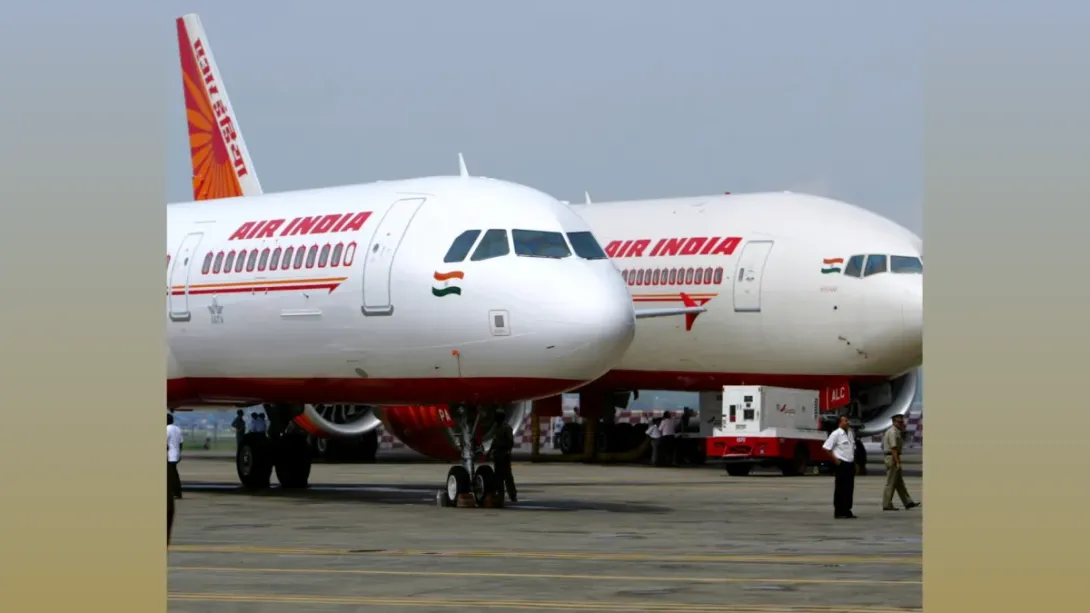
Air India has inducted its first Boeing 787 Dreamliner in eight years, marking a symbolic and operational milestone in the carrier’s long-awaited fleet modernization drive. The aircraft’s arrival underscores the airline’s renewed focus on efficiency, passenger comfort, and long-haul competitiveness as it undergoes a broader transformation. Industry analysts view the induction as a tangible outcome of strategic investments aimed at restoring Air India’s global standing. Beyond symbolism, the Dreamliner adds critical wide-body capacity, enabling the airline to strengthen international routes while improving fuel efficiency and lowering operating costs in a highly competitive aviation market.
A Long-Awaited Addition to the Fleet
The arrival of the new Dreamliner ends an extended gap in wide-body aircraft induction for Air India. Over the past several years, the airline operated with limited additions, constraining its ability to scale long-haul operations. The latest induction reflects a shift toward proactive fleet planning and capital deployment.
Operational and Financial Implications
The Boeing 787 is known for its fuel efficiency, lower maintenance costs, and extended range. These attributes are expected to enhance Air India’s cost structure, particularly on intercontinental routes where fuel and operational expenses weigh heavily on margins. Improved economics could support more sustainable profitability over the medium term.
Passenger Experience and Brand Repositioning
Beyond balance sheets, the Dreamliner contributes to a more competitive passenger offering. Features such as improved cabin pressurization, quieter interiors, and modern in-flight systems align with Air India’s efforts to reposition its brand and regain customer trust in premium and economy segments alike.
Strategic Context in a Competitive Market
Global aviation remains intensely competitive, with carriers investing aggressively in next-generation aircraft. Air India’s renewed fleet induction signals its intent to compete more effectively with international peers, particularly on high-yield long-haul routes connecting India to North America and Europe.
Outlook
The induction of the first Dreamliner in eight years is more than a fleet update—it represents a strategic reset. If followed by consistent execution and service improvements, the move could play a pivotal role in reshaping Air India’s financial performance and global reputation in the years ahead.
Comments