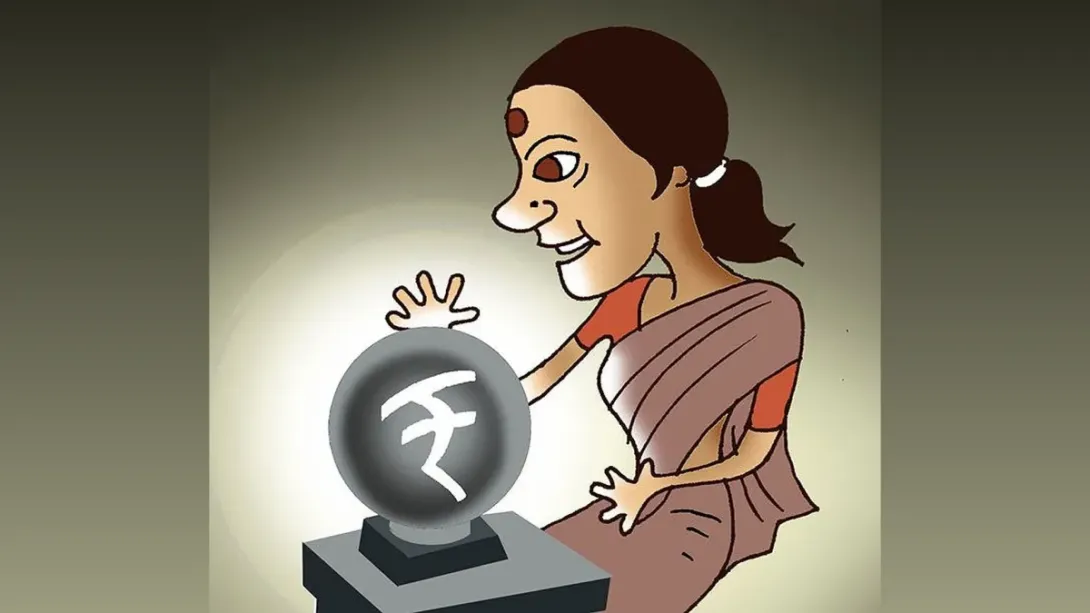
India’s Unified Payments Interface is set for its next phase of expansion, with the Reserve Bank of India projecting a doubling of users to nearly one billion in the coming years. The forecast underscores UPI’s evolution from a convenience-led payment tool into the backbone of the country’s digital financial ecosystem. Rapid smartphone adoption, deeper internet penetration, and policy-led financial inclusion have accelerated usage across urban and rural markets alike. As transaction volumes scale and innovation deepens, UPI is expected to play a decisive role in reshaping consumer behavior, enhancing transparency, and strengthening India’s cash-light economy.
RBI Signals a New Growth Trajectory for Digital Payments
The Reserve Bank of India has outlined an ambitious outlook for UPI, signaling confidence in the platform’s ability to absorb the next wave of digital users. What began as a peer-to-peer payment mechanism has matured into a comprehensive payments infrastructure supporting merchants, billers, small enterprises, and government services.
This anticipated surge reflects a structural shift in how Indians transact, with digital payments increasingly embedded in everyday economic activity rather than confined to discretionary use.
Drivers Behind the Expanding User Base
Several factors are converging to propel UPI adoption. Affordable smartphones and low-cost data have lowered entry barriers, while simplified interfaces have made digital payments accessible across age groups and income levels. Government-backed financial inclusion initiatives have also brought millions of first-time users into the formal banking system, creating fertile ground for UPI growth.
Equally important is merchant acceptance. From street vendors to large retailers, UPI has become a default payment option, reinforcing network effects and habitual usage.
Transaction Scale and Economic Impact
As the user base expands, transaction volumes are expected to rise proportionately, strengthening the platform’s role in formalizing economic flows. Higher digital penetration improves traceability, reduces cash-handling costs, and enhances efficiency across the value chain.
For policymakers, this transition supports better compliance and data-driven governance. For businesses, it offers faster settlements and improved liquidity management, particularly for micro and small enterprises.
Innovation and the Next Phase of UPI
UPI’s future growth is likely to be shaped by innovation layered onto its core infrastructure. Features such as credit-linked payments, recurring mandates, and cross-border transactions are gradually expanding its use cases. These developments position UPI not merely as a domestic payments rail but as a scalable fintech platform with global relevance.
The integration of advanced security protocols and regulatory oversight remains central to sustaining trust as volumes rise.
Looking Ahead
The projection of a one-billion-strong UPI user base marks more than a numerical milestone—it reflects India’s broader digital maturity. As adoption deepens, UPI is set to anchor the country’s transition toward a resilient, inclusive, and efficient financial system. The coming years will test its ability to scale responsibly, but the trajectory suggests that digital payments are no longer an alternative—they are becoming the default.
Comments