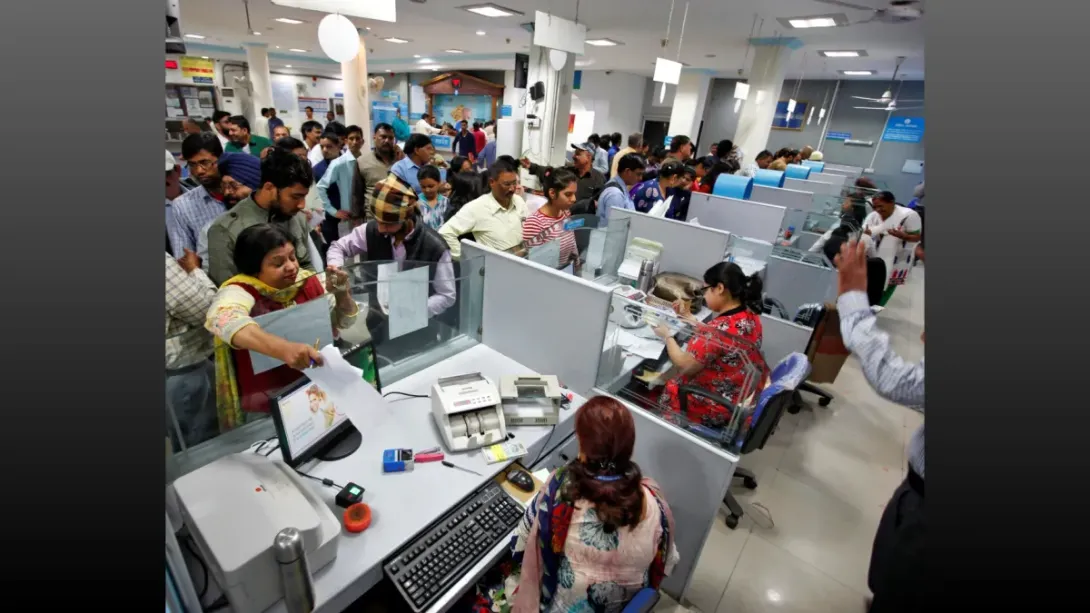
Kotak Mahindra Bank reported a modest yet stable performance in the third quarter, with net profit rising 4 percent year-on-year to Rs 3,446 crore. The lender’s earnings were supported by steady loan growth, resilient net interest income, and improved asset quality metrics. While operating expenses increased amid branch expansion and technology investments, core banking operations remained robust. Deposit mobilization and retail lending continued to anchor balance sheet strength. Analysts note that the bank’s conservative provisioning strategy and focus on granular lending have helped sustain profitability despite a challenging interest rate environment and competitive pressures in the financial services sector.
Earnings Show Measured Momentum
Kotak Mahindra Bank delivered a stable set of numbers for the December quarter, reflecting resilience in its core lending business. Net profit climbed to Rs 3,446 crore, marking a 4 percent increase compared with the same period last year. The performance underscores the bank’s ability to maintain profitability even as funding costs remain elevated across the banking system.
Net interest income, the difference between interest earned and interest paid, continued to form the backbone of earnings, supported by steady credit expansion and disciplined pricing.
Loan Book Growth Remains Healthy
The bank reported sustained expansion in its advances portfolio, with retail loans — including home loans, personal finance, and vehicle financing — contributing significantly to overall growth. Corporate lending also remained stable, aided by selective exposure to high-quality borrowers and well-rated enterprises.
Management’s emphasis on maintaining a diversified loan mix helped mitigate concentration risks, while digital channels played a growing role in customer acquisition and servicing efficiency.
Margins Under Watch Amid Cost Pressures
Like many lenders, Kotak Mahindra Bank faced margin pressures due to higher deposit rates and tighter liquidity conditions. However, careful repricing of assets and a strong share of low-cost current and savings account deposits helped cushion the impact.
Operating expenses rose during the quarter, largely due to investments in technology infrastructure, compliance enhancements, and branch network expansion. Despite this, cost-to-income ratios remained within manageable levels.
Asset Quality Continues to Improve
A key highlight of the quarter was the bank’s improving asset quality profile. Gross non-performing assets declined sequentially, reflecting prudent underwriting standards and effective recovery mechanisms. Provision coverage remained healthy, providing a buffer against potential stress in certain unsecured retail segments.
Lower credit costs supported bottom-line growth and signaled stability in the bank’s risk management framework.
Deposits and Liquidity Position
Kotak Mahindra Bank recorded steady growth in total deposits, with a balanced contribution from retail and corporate customers. The lender maintained a comfortable liquidity coverage ratio, ensuring adequate buffers to meet regulatory requirements and funding obligations.
Strong deposit mobilization remains crucial as banks compete aggressively for liabilities in a high-interest-rate environment.
Strategic Outlook
Industry analysts believe Kotak Mahindra Bank is well-positioned to navigate a moderating credit cycle, supported by its conservative lending philosophy and strong capital adequacy. Continued investments in digital platforms and customer experience are expected to enhance operational efficiency and cross-selling opportunities.
However, margin trends and competitive intensity in retail lending will be closely monitored in the coming quarters.
Conclusion
Kotak Mahindra Bank’s third-quarter performance reflects stability rather than rapid acceleration, with disciplined growth and improving asset quality underpinning earnings. While external headwinds persist, the bank’s balanced business model and strong risk controls suggest it remains on a steady trajectory. Investors and market participants will look for sustained deposit growth and margin resilience as key indicators of future performance in an evolving banking landscape.
Comments