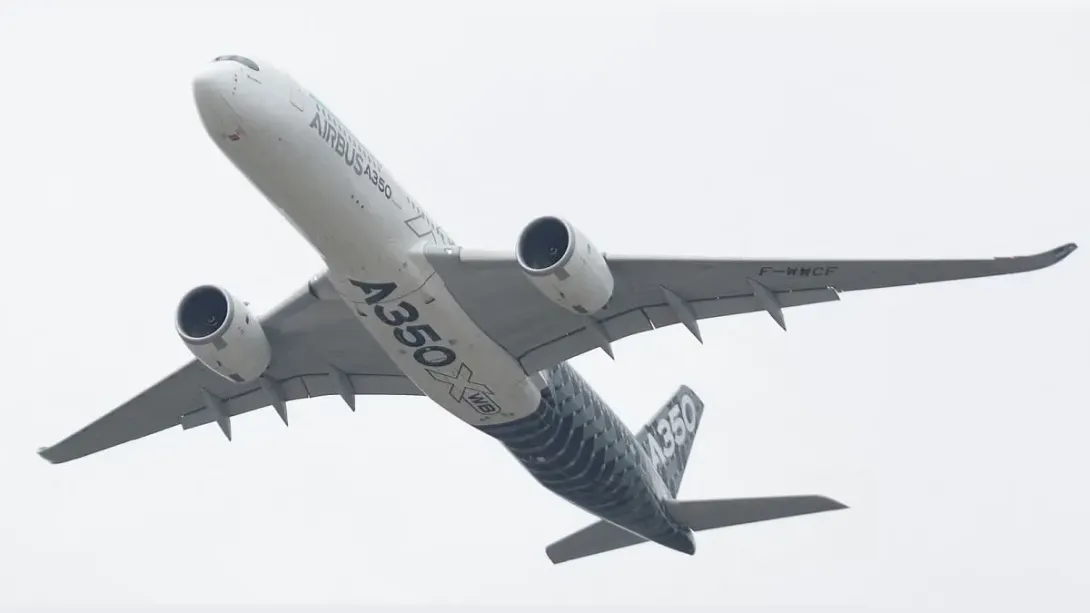
India’s commercial aviation sector is set for a dramatic expansion, with the country’s aircraft fleet expected to nearly triple by 2035, according to projections by Airbus. The forecast reflects powerful structural drivers, including rapid growth in domestic air travel, rising middle-class incomes and sustained investment in airport infrastructure. Airlines are expanding aggressively to meet surging demand, particularly on short- and medium-haul routes. Airbus sees India emerging as one of the world’s most important aviation markets over the next decade, creating significant opportunities across aircraft manufacturing, leasing, maintenance and airport services.
A Defining Growth Phase for Indian Aviation
India’s aviation market is entering a decisive phase of long-term expansion, underpinned by favorable demographics and economic momentum. Airbus projects that the country’s commercial aircraft fleet will almost triple by 2035, placing India among the fastest-growing aviation markets globally.
The outlook is driven primarily by domestic travel demand, which continues to rise as air travel becomes more accessible to a broader segment of the population. Improved connectivity between metro cities and smaller towns has further accelerated passenger growth.
Narrow-Body Aircraft to Drive Fleet Expansion
According to industry assessments, narrow-body aircraft are expected to account for the bulk of future deliveries, reflecting the dominance of short- and medium-haul routes in India. Single-aisle jets are well suited to high-frequency domestic operations and regional connectivity, both of which remain central to airline expansion strategies.
Low-cost carriers, in particular, are playing a pivotal role in fleet growth, leveraging scale, operational efficiency and competitive pricing to stimulate demand across price-sensitive markets.
Infrastructure and Policy Support Strengthen Outlook
India’s expanding airport infrastructure has been a critical enabler of aviation growth. New airports, terminal expansions and modernization projects have improved capacity and operational efficiency, supporting higher aircraft utilization.
Government initiatives aimed at enhancing regional air connectivity and improving the ease of doing business have also strengthened the sector’s long-term prospects. Together, these measures have helped create a more resilient and scalable aviation ecosystem.
Implications for Airlines and the Aerospace Ecosystem
A tripling of the aircraft fleet carries significant implications beyond airlines alone. Aircraft manufacturers, lessors, maintenance providers and airport operators are all expected to benefit from sustained demand over the next decade.
Financing requirements will also rise sharply, increasing the role of leasing companies and capital markets in supporting airline growth. Analysts note that India’s aviation expansion could become a major pillar of global aerospace demand.
Long-Term Outlook Remains Strong
Despite near-term challenges such as fuel price volatility and competitive pressures, the long-term trajectory of Indian aviation remains firmly positive. Rising passenger volumes, expanding networks and improving infrastructure continue to support growth.
Airbus’ projection underscores the scale of opportunity ahead. As India’s economy and mobility needs evolve, aviation is set to play an increasingly central role, reshaping the country’s transport landscape and reinforcing its position in the global aviation market.
Comments