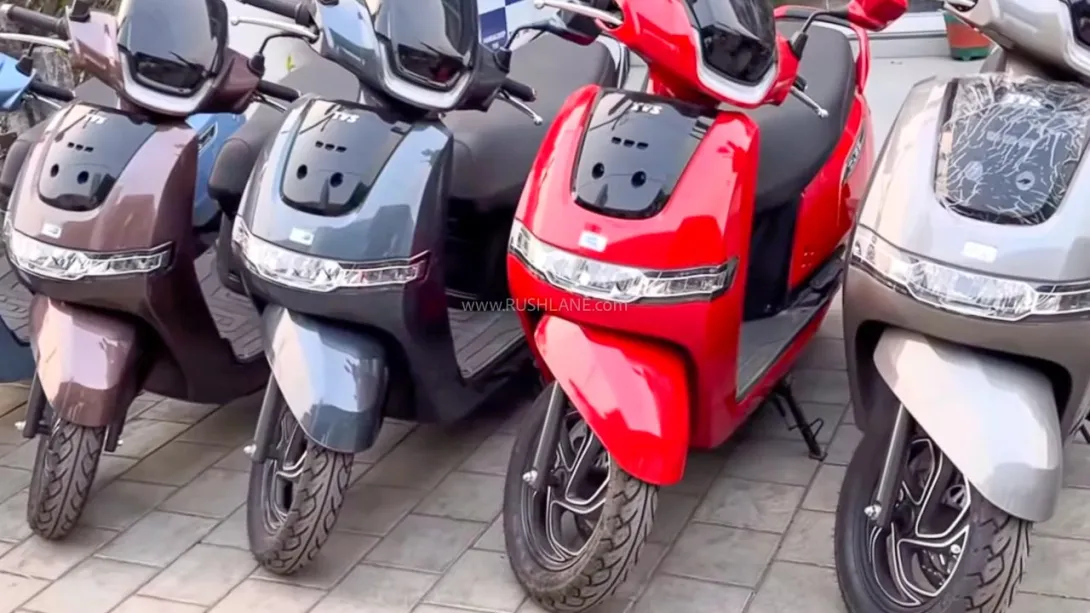
India’s electric vehicle market witnessed a significant surge in retail sales during February, reflecting the country’s accelerating transition toward sustainable mobility. Strong demand across two-wheelers, passenger cars, and commercial vehicles contributed to the growth, supported by favorable government policies and rising consumer awareness about environmental sustainability. Major manufacturers, including Tata Motors and Mahindra & Mahindra, continued to expand their electric vehicle offerings to capture growing market demand. Industry analysts say the momentum highlights India’s rapidly evolving automotive landscape as technological advancements, improved charging infrastructure, and policy incentives encourage wider adoption of electric mobility solutions.
Electric Mobility Gains Momentum in India
India’s electric vehicle (EV) sector recorded robust retail sales growth in February, reinforcing the country’s transition toward cleaner transportation technologies.
The surge reflects a broader structural shift in the automotive industry as consumers, businesses, and policymakers increasingly prioritize sustainability. Rising fuel costs, environmental concerns, and regulatory pressure to reduce emissions have encouraged both automakers and consumers to accelerate the adoption of electric vehicles.
Government initiatives, including financial incentives, tax benefits, and production-linked incentive schemes, have further supported the expansion of India’s EV ecosystem.
Growth Driven by Multiple Vehicle Segments
Unlike earlier phases of adoption—when growth was largely concentrated in electric two-wheelers—the latest sales expansion was observed across several vehicle categories.
Electric passenger vehicles, commercial vehicles, and three-wheelers all contributed to February’s growth. The passenger EV segment, in particular, has experienced strong demand due to improved battery performance, expanding model availability, and greater consumer confidence in electric mobility.
Automakers such as Tata Motors have played a pivotal role in driving adoption through popular models like the Tata Nexon EV. Meanwhile, companies including Mahindra & Mahindra are investing heavily in new electric platforms to support future product launches.
Policy Support and Infrastructure Development
Government policy remains a central pillar in the growth of India’s electric vehicle market. Incentive programs designed to promote EV adoption have reduced purchase costs and encouraged automakers to expand production capacity.
At the same time, investments in charging infrastructure are helping address one of the most significant barriers to widespread EV adoption—range anxiety.
Both public and private sector players are increasingly investing in nationwide charging networks to support long-distance travel and urban commuting.
These developments are gradually building consumer confidence and making electric vehicles a viable alternative to traditional internal combustion engine vehicles.
Automakers Race to Capture Emerging Market
The rapid growth in EV sales has triggered intense competition among automakers seeking to establish early leadership in the sector.
Tata Motors has emerged as one of the leading players in India’s electric passenger vehicle market, largely due to the commercial success of the Tata Nexon EV.
At the same time, Mahindra & Mahindra is preparing a new generation of electric SUVs designed to compete in both domestic and global markets.
International manufacturers are also exploring opportunities in India as the country gradually becomes one of the most promising EV markets among emerging economies.
Challenges Facing the EV Ecosystem
Despite the positive momentum, several challenges continue to influence the pace of EV adoption in India.
High upfront costs, limited charging infrastructure in smaller cities, and concerns regarding battery longevity remain key obstacles. Additionally, the supply chain for critical battery materials continues to evolve, creating potential volatility in production costs.
However, industry analysts believe technological innovation and economies of scale will gradually reduce these barriers, making electric vehicles increasingly affordable for mainstream consumers.
Outlook for India’s Electric Vehicle Market
The sharp increase in February retail sales highlights the growing acceptance of electric mobility across India.
Market forecasts suggest that EV adoption will continue expanding rapidly over the next decade, supported by government policy, declining battery costs, and growing environmental awareness.
Manufacturers such as Tata Motors and Mahindra & Mahindra are expected to remain central players in this transition as they expand their electric vehicle portfolios.
If current trends persist, India’s EV market could become one of the most dynamic segments of the global automotive industry, reshaping how millions of consumers approach mobility in the years ahead.
Comments