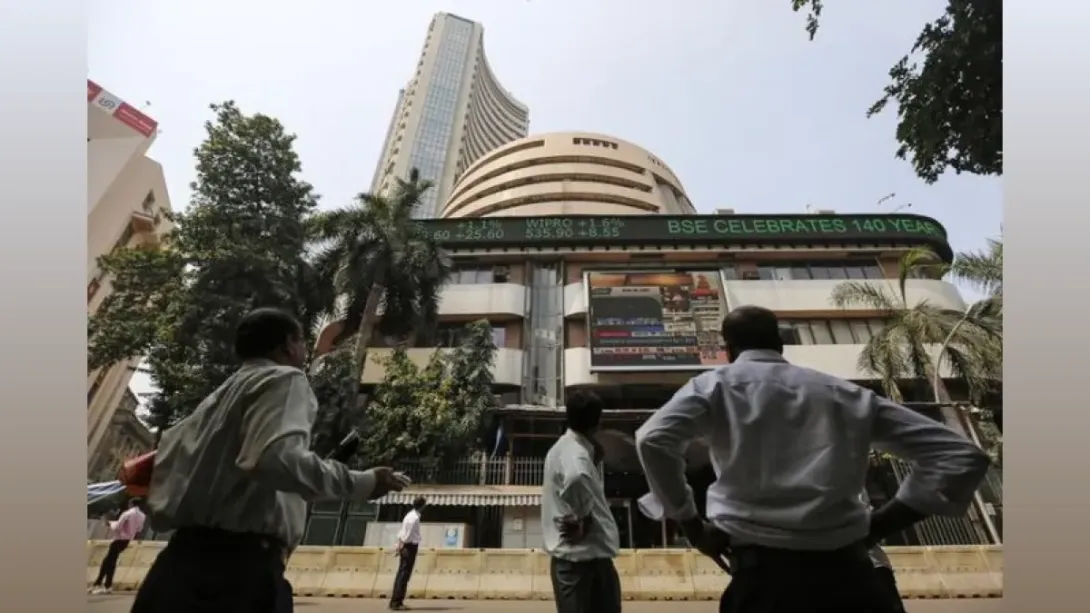
Shares of Reliance Industries Ltd. declined 3% following the release of its first-quarter financial results for FY2025. Despite reporting a year-on-year increase in consolidated revenue, the company’s performance fell short of market expectations on certain profitability metrics, particularly within its key oil-to-chemicals (O2C) segment. The muted margin outlook, coupled with softer refining spreads and higher input costs, weighed on investor sentiment. While Reliance remains well-positioned across energy, retail, and digital services, the Q1 numbers prompted profit-booking among traders. Analysts remain divided, with some emphasizing near-term challenges and others highlighting long-term strategic resilience.
Revenue and Segment Performance
Reliance Industries reported consolidated revenue of Rs. 2.46 lakh crore for the quarter ended June 30, representing a modest year-on-year growth. The performance was underpinned by stable contributions from its consumer-facing businesses—retail and digital services—while the core oil-to-chemicals vertical experienced headwinds due to fluctuating crude prices and narrowing product spreads.
The digital services arm, led by Jio, continued its upward trajectory with steady subscriber additions and higher average revenue per user (ARPU), supporting topline stability. Meanwhile, Reliance Retail witnessed growth across both offline and online formats, driven by rising footfall, product expansion, and continued penetration in non-metro markets.
Margin Pressure in O2C Segment
The oil-to-chemicals business, historically a major profit engine for Reliance, registered weaker-than-expected performance in Q1. The segment’s EBITDA was impacted by lower refining margins and subdued demand for downstream petrochemicals, especially polymers and intermediates.
Operating margins in the O2C division contracted due to the volatility in international crude oil benchmarks and higher energy input costs. This performance dragged overall profitability and tempered investor enthusiasm, especially given the segment’s share in the conglomerate’s consolidated earnings mix.
Profitability Snapshot
Net profit for the quarter stood at Rs. 18,951 crore, representing a slight decline on a sequential basis, though up marginally year-on-year. Operating profit remained broadly flat, suggesting that while topline growth was achieved, efficiency gains were offset by cost pressures in energy-intensive businesses.
The telecom business delivered an EBITDA of Rs. 13,704 crore, maintaining its position as a strong contributor. Retail EBITDA rose by 11% year-on-year to Rs. 5,486 crore, aided by operational leverage and improved inventory management. However, these gains were not sufficient to fully counterbalance the softness in the O2C vertical.
Stock Market Reaction and Investor Sentiment
Following the earnings release, Reliance Industries' stock witnessed a 3% decline in intraday trading. Market participants cited the below-par margin performance and concerns about global demand-supply dynamics in the energy sector as contributing factors.
Despite the drop, many long-term investors remain optimistic, noting the company’s ongoing investments in clean energy, data centers, and next-gen retail platforms. Still, the near-term outlook remains cautious as global macroeconomic uncertainties continue to influence energy prices and input costs.
Strategic Roadmap: Transformation in Progress
Reliance Industries is actively diversifying its portfolio, with a clear shift toward new energy, digital infrastructure, and technology-enabled retail. The group’s clean energy ambitions, backed by investments in solar modules, green hydrogen, and battery storage, are expected to bear fruit over the next few years.
Moreover, with its strong balance sheet and scalable platforms, Reliance is strategically positioned to weather temporary headwinds and capture value from India’s growing consumption and digital transformation story.
Conclusion: A Quarter of Transition, Not Trouble
The Q1 results mark a transitional phase for Reliance Industries, as strength in consumer businesses was partially offset by cyclical softness in the commodities segment. While the stock correction reflects short-term disappointment, it does not undermine the company’s long-term fundamentals.
With robust cash flows, a visionary growth agenda, and diversified revenue streams, Reliance remains a formidable force in India's corporate landscape. As the macro landscape evolves, how effectively the company navigates its energy and technology ambitions will be closely watched by market participants and analysts alike.
Comments