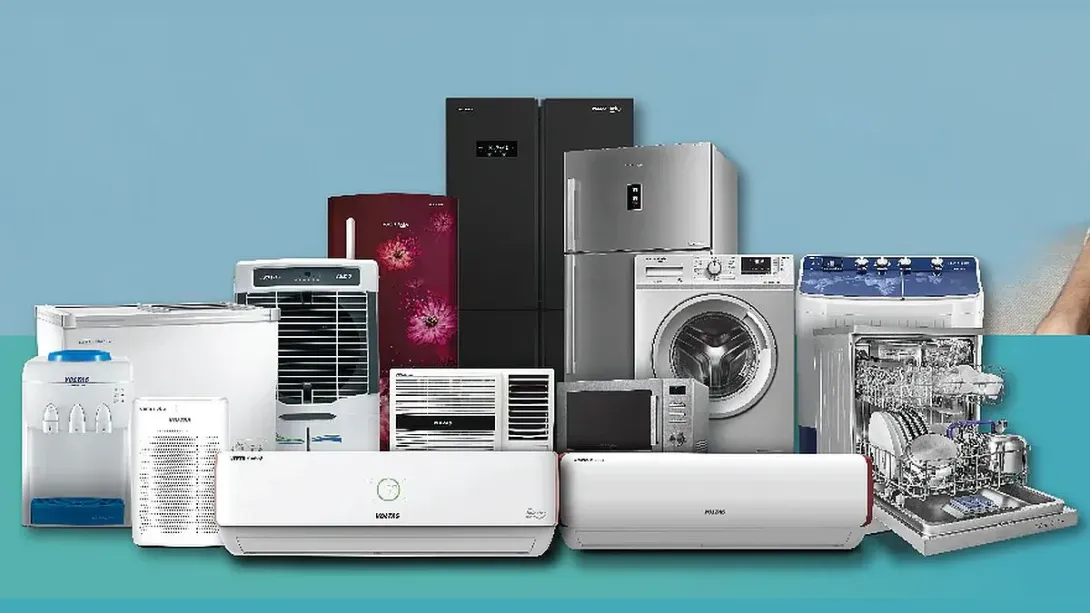
Air conditioner prices in India are expected to rise as manufacturers grapple with increasing raw material costs, currency fluctuations, and stricter energy efficiency regulations. Industry leaders say the combined impact of higher copper prices, depreciation of the rupee against major global currencies, and new energy performance standards is significantly raising production costs. As a result, companies such as Voltas, Blue Star, and LG Electronics may adjust retail prices in the coming months. Analysts believe the increase could influence consumer demand but will also accelerate the transition toward more energy-efficient cooling solutions.
Cost Pressures Reshape the Air Conditioner Market
India’s air conditioning industry is facing mounting cost pressures that are expected to translate into higher retail prices for consumers. Manufacturers are contending with a complex mix of global commodity price increases, currency volatility, and regulatory changes aimed at improving energy efficiency.
Industry experts say that the rising cost of copper—one of the most critical materials used in air conditioning systems—has significantly increased manufacturing expenses. Copper is widely used in compressors, heat exchangers, and refrigeration coils, making it an essential component in the production process.
As a result, companies across the sector are evaluating price revisions ahead of the peak summer sales season.
Impact of Rising Copper Prices
Copper is a vital raw material in the production of cooling appliances. Global price fluctuations in this metal have a direct influence on the cost structure of air conditioner manufacturers.
Over the past year, copper prices have experienced upward pressure due to supply constraints, strong demand from infrastructure projects, and increased usage in renewable energy technologies. This surge has increased input costs for companies such as Voltas and Blue Star, both of which rely heavily on copper-intensive components.
Manufacturers have attempted to absorb part of the cost increase through operational efficiencies. However, industry insiders indicate that sustained price pressures are making retail price adjustments increasingly unavoidable.
Currency Fluctuations Add to Production Costs
Another major factor influencing air conditioner pricing is the depreciation of the Indian rupee against key global currencies, particularly the U.S. dollar.
Many components used in air conditioners, including compressors, electronic controls, and specialized materials, are either imported or linked to global supply chains. When the rupee weakens, the cost of importing these components rises, increasing the overall cost of production.
Companies such as LG Electronics, which operate large manufacturing and assembly operations in India, must carefully manage these currency-driven cost fluctuations while maintaining competitive pricing.
Stricter Energy Efficiency Norms
In addition to raw material and currency pressures, manufacturers are also adapting to new government regulations designed to improve energy efficiency in household appliances.
India’s revised energy performance standards require air conditioners to meet stricter efficiency benchmarks. While these regulations are intended to reduce electricity consumption and support sustainability goals, they also necessitate technological upgrades and design modifications.
Manufacturers must invest in advanced compressors, improved insulation systems, and more sophisticated electronic controls to comply with these standards. These improvements enhance product performance but also increase production costs.
Industry Response and Pricing Strategy
Companies operating in the air conditioning sector are responding to these challenges through a combination of price adjustments, supply chain optimization, and product innovation.
Market leaders such as Voltas and Blue Star have been expanding local manufacturing capabilities to reduce dependence on imported components.
At the same time, manufacturers are introducing premium models that emphasize energy efficiency and smart connectivity features, allowing them to offset higher costs through value-added offerings.
Retail price increases are expected to be implemented gradually to minimize the impact on consumer demand.
Consumer Impact and Market Outlook
Higher air conditioner prices could influence purchasing decisions, particularly in price-sensitive segments of the Indian market. However, strong summer demand and rising temperatures are likely to sustain overall sales volumes.
Urbanization, rising disposable incomes, and increasing awareness about indoor comfort continue to drive demand for cooling appliances across the country.
Industry analysts believe that despite short-term price increases, the long-term outlook for the air conditioning market remains strong. As companies adapt to changing cost structures and regulatory requirements, the sector is expected to evolve toward more energy-efficient and technologically advanced products.
For consumers, this transition may mean slightly higher upfront costs—but also improved performance, lower electricity consumption, and longer-term savings.
Comments