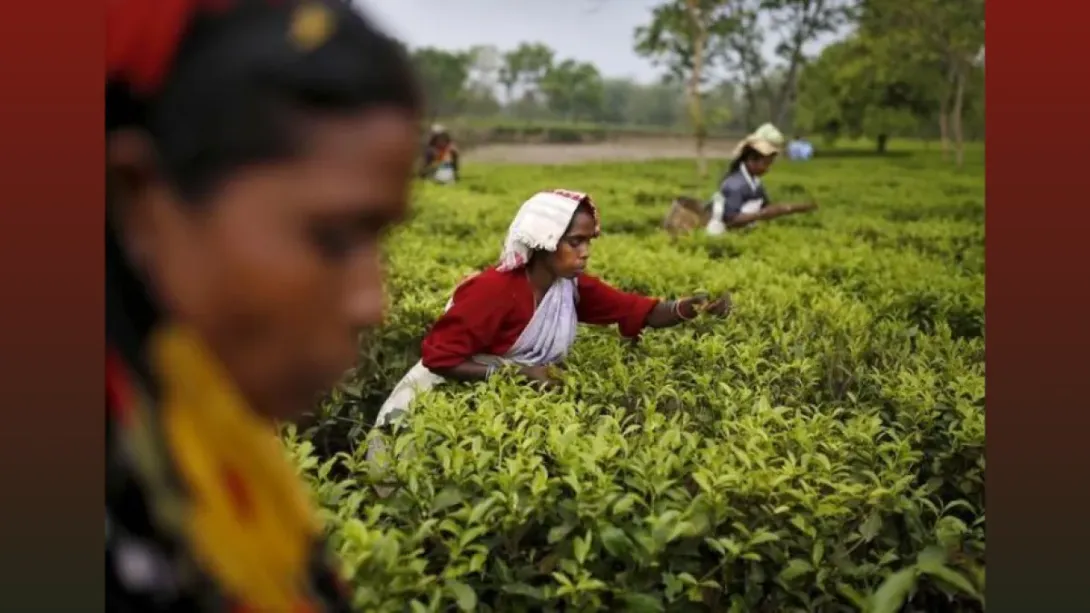
India’s Tea Board has introduced a comprehensive framework of food safety and sustainability standards aimed at enhancing the quality, traceability, and environmental compliance of Indian tea. The new measures align domestic production with international benchmarks such as those set by the Food Safety and Standards Authority of India (FSSAI) and the United Nations Sustainable Development Goals (SDGs). By enforcing stricter residue limits, promoting responsible sourcing, and encouraging sustainable agricultural practices, the Tea Board seeks to improve the country’s global market position, ensure consumer safety, and strengthen the long-term viability of the tea industry amid growing international scrutiny.
Raising the Bar for Quality and Compliance
The Tea Board of India is implementing an upgraded framework of food safety and sustainability norms designed to make Indian tea globally competitive. This strategic initiative integrates advanced quality assurance systems, pesticide residue monitoring, and sustainable cultivation guidelines across tea-growing regions.
Under the new framework, all producers, processors, and exporters must comply with the Food Safety and Standards Authority of India’s (FSSAI) updated directives. These include rigorous limits on chemical residues, mandatory traceability protocols, and enhanced documentation for audit trails. The move not only protects consumers from unsafe products but also boosts confidence among international buyers increasingly focused on ethical sourcing and environmental accountability.
Aligning with Global Sustainability Goals
The revised standards are closely aligned with the United Nations Sustainable Development Goals (SDGs), emphasizing climate action, biodiversity protection, and responsible production. Tea estates are being encouraged to adopt integrated pest management, soil conservation techniques, and water-efficient irrigation systems.
The Tea Board has also emphasized waste reduction, renewable energy adoption, and fair labor practices within plantations. By embedding sustainability into the production process, the initiative aims to reduce the environmental footprint of the tea industry while enhancing its social impact. Producers who comply with the framework may gain preferential access to certification programs, financial incentives, and export facilitation schemes.
Protecting India’s Legacy in the Global Tea Market
India, one of the world’s largest tea producers and exporters, has long been synonymous with quality varieties such as Assam, Darjeeling, and Nilgiri. However, in recent years, rising global competition and tightening import regulations—particularly in the European Union and the United States—have increased the pressure on Indian producers to meet higher quality and safety benchmarks.
The Tea Board’s renewed focus on sustainability and traceability is therefore both timely and essential. It ensures that Indian tea maintains its historic reputation while meeting the evolving expectations of modern consumers, who increasingly value ethical sourcing and environmental stewardship.
Empowering Growers and Strengthening Exports
A central pillar of the Tea Board’s reform is capacity building for small and medium tea growers, who account for a significant portion of India’s total production. Training programs, technical workshops, and digital monitoring tools are being introduced to help producers meet compliance norms efficiently.
By integrating digital record-keeping and blockchain-based traceability systems, the Board aims to modernize supply chains and reduce instances of adulteration and mislabeling. These technological enhancements will also streamline export certification, improving India’s access to premium markets where transparency and sustainability credentials directly influence buyer decisions.
A Sustainable Future for Indian Tea
The Tea Board’s initiative marks a decisive step toward building a more resilient, responsible, and globally competitive tea industry. As environmental and ethical considerations increasingly shape consumer behavior, India’s renewed focus on food safety and sustainability positions it favorably in the global marketplace.
By enforcing compliance, empowering growers, and fostering innovation, the new standards are expected to safeguard the legacy of Indian tea while paving the way for a sustainable future—one cup at a time.
Comments