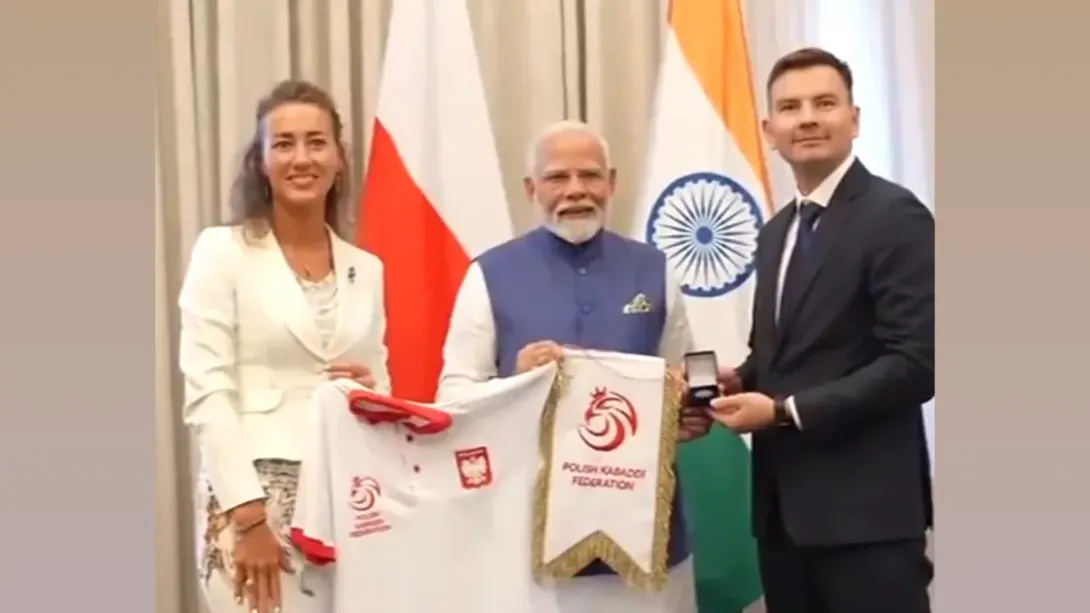
India and Poland are strengthening defence ties as both countries explore opportunities for joint production of military equipment and technology. The initiative reflects a broader effort to deepen strategic cooperation while boosting domestic manufacturing capabilities. For India, collaboration aligns with its policy to expand indigenous defence production and reduce reliance on imports. Poland, meanwhile, seeks to enhance its defence industry partnerships amid evolving security dynamics in Europe and Asia. Analysts believe the proposed collaboration could lead to technology transfer, industrial cooperation and long-term investment in defence infrastructure, creating new opportunities for manufacturers and strengthening the strategic relationship between the two nations.
Expanding Strategic Defence Cooperation
India and Poland are exploring avenues for joint defence manufacturing as part of a broader effort to deepen their strategic partnership and strengthen industrial cooperation. Discussions between officials from both nations have focused on identifying areas where defence technology and production capabilities can be jointly developed.
The initiative reflects a growing trend in international defence collaboration, where countries increasingly partner to share technological expertise, improve supply chains and reduce dependence on external suppliers. For both India and Poland, the potential partnership represents an opportunity to expand industrial capabilities while enhancing military readiness.
Diplomatic engagement between the two countries has intensified in recent years, with defence cooperation emerging as a key pillar of the bilateral relationship.
Supporting India’s Domestic Manufacturing Goals
For India, the prospect of joint defence production aligns closely with its broader policy framework aimed at strengthening domestic manufacturing in the defence sector. New Delhi has been actively encouraging international partnerships that allow advanced technologies to be produced within the country.
Under this approach, foreign defence companies are invited to collaborate with Indian manufacturers, enabling technology transfer and the development of local production facilities. Such arrangements are designed to reduce reliance on imported military equipment while building a stronger domestic defence industry.
Joint production initiatives also create opportunities for Indian firms to integrate into global supply chains, potentially expanding export prospects for locally manufactured defence systems.
Poland Seeks Expanded Industrial Partnerships
Poland’s interest in defence collaboration with India reflects its broader strategy to diversify industrial partnerships and strengthen its defence manufacturing capabilities. As security challenges evolve in Europe, Warsaw has increased its focus on upgrading military equipment and expanding cooperation with international partners.
Polish defence companies possess expertise in areas such as armoured vehicles, aerospace components and military electronics. By partnering with India, Poland could gain access to a rapidly expanding defence market while benefiting from India’s growing manufacturing ecosystem.
The partnership could also support joint research and development initiatives, enabling both countries to collaborate on next-generation defence technologies.
Economic and Industrial Implications
Beyond strategic considerations, joint defence production has significant economic implications. Large-scale defence manufacturing projects typically involve substantial investment in research facilities, production infrastructure and skilled workforce development.
For India, such initiatives contribute to industrial growth by stimulating sectors such as engineering, metallurgy, electronics and advanced materials. The defence sector also has strong multiplier effects across the broader economy, creating employment opportunities and encouraging technological innovation.
Poland, meanwhile, could benefit from increased export opportunities and deeper integration with international defence supply chains.
Global Trends in Defence Collaboration
The potential India–Poland partnership reflects a broader global trend toward collaborative defence manufacturing. Many countries are moving away from purely domestic production models in favor of partnerships that allow for shared expertise and reduced development costs.
Such cooperation can accelerate technological progress and enable participating nations to produce more sophisticated military systems. In addition, joint ventures often strengthen diplomatic relations by creating long-term industrial interdependence.
As geopolitical uncertainties increase, governments are placing greater emphasis on resilient supply chains and diversified defence partnerships.
Outlook for Future Cooperation
While discussions remain in the exploratory stage, analysts believe the prospects for deeper cooperation between India and Poland are promising. Both countries possess complementary strengths in defence manufacturing and share an interest in expanding industrial partnerships.
Future agreements could include joint production of military platforms, technology-sharing arrangements and collaborative research initiatives. If implemented successfully, such projects could significantly enhance bilateral trade and industrial cooperation.
The development also signals growing momentum in India’s efforts to position itself as a global hub for defence manufacturing.
Conclusion
The emerging defence collaboration between India and Poland highlights the increasing importance of international partnerships in the modern security landscape. By exploring joint production of defence equipment, both nations aim to strengthen industrial capabilities while deepening strategic ties.
For India, the initiative supports its long-term objective of building a robust domestic defence manufacturing sector. For Poland, it represents an opportunity to expand technological collaboration and access a dynamic defence market. As negotiations progress, the partnership could become an important example of how strategic cooperation and industrial development can move forward together.
Comments