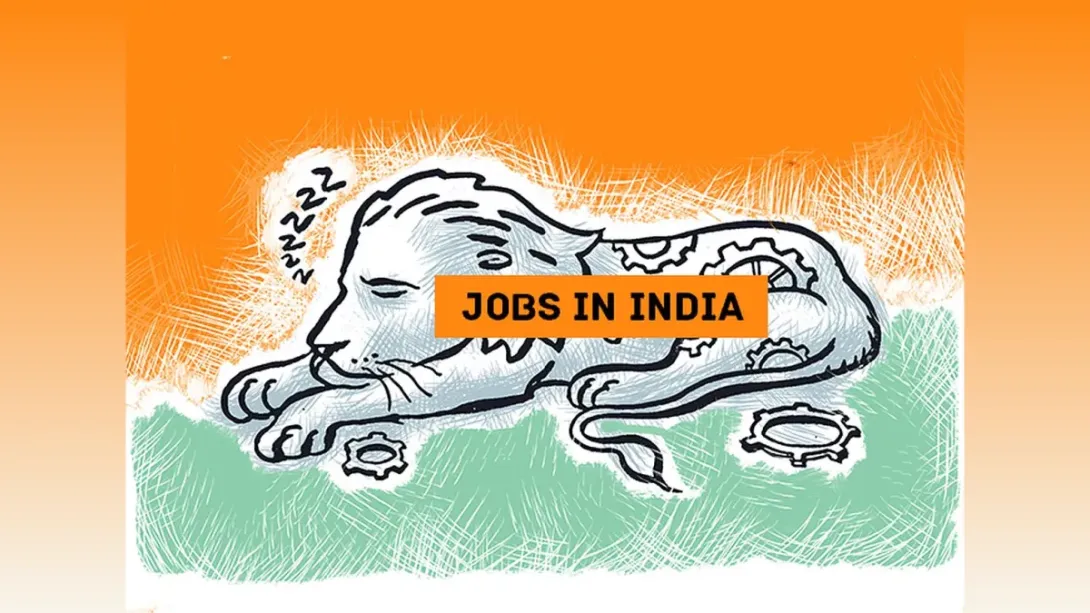
India’s unemployment rate increased to 4.8% in December, signaling a modest but notable rise in joblessness compared with previous months. Analysts attribute the uptick to seasonal employment fluctuations, slowing hiring in certain sectors, and persistent structural challenges in labor markets. While urban job markets remain relatively stable, rural employment faced headwinds due to weaker agricultural activity and delayed public works projects. Economists are closely monitoring the data for its implications on consumption, wage growth, and overall economic recovery. Policymakers may need to consider targeted interventions to stimulate employment and sustain momentum in key sectors heading into 2026.
Rising Unemployment Trends
The December report reflects a slight increase in unemployment to 4.8%, compared with 4.5% in November. The rise, though modest, highlights ongoing challenges in matching workforce growth with available employment opportunities. Urban and informal sectors showed divergent trends, with urban centers maintaining steadier hiring while rural areas saw slower job creation.
Sectoral Drivers
Several sectors influenced the December figures. Services, IT, and retail saw steady hiring, while manufacturing and construction displayed subdued momentum. Agricultural employment, traditionally significant in rural India, experienced seasonal setbacks, contributing to temporary spikes in unemployment. Analysts also noted that inflationary pressures and rising input costs in some sectors may have restrained hiring.
Regional Variations
Unemployment levels varied across states and regions. Northern and western states recorded higher joblessness due to delayed project implementation and industrial slowdowns. Southern and eastern regions maintained relatively stable employment figures, buoyed by IT, education, and service-sector demand. These disparities underscore the need for region-specific employment strategies.
Economic Implications
The uptick in unemployment could weigh on consumption patterns and household income growth, particularly in rural areas. Economists warn that sustained high unemployment may affect aggregate demand and moderate economic recovery momentum. Wage growth, especially for low-income and informal workers, remains a key factor in assessing the broader impact of the labor market trends.
Policy Considerations
Policymakers are likely to evaluate targeted interventions, including job creation schemes, skill development programs, and incentives for private-sector hiring. Strengthening rural employment initiatives, promoting labor-intensive industries, and supporting MSMEs could help stabilize employment and address structural challenges in the labor market.
Outlook
As India navigates evolving economic conditions, monitoring monthly labor market trends remains critical. While the December increase in unemployment is modest, sustained attention to sectoral and regional employment gaps will be vital in ensuring inclusive growth and sustaining consumer confidence heading into the new year.
Comments