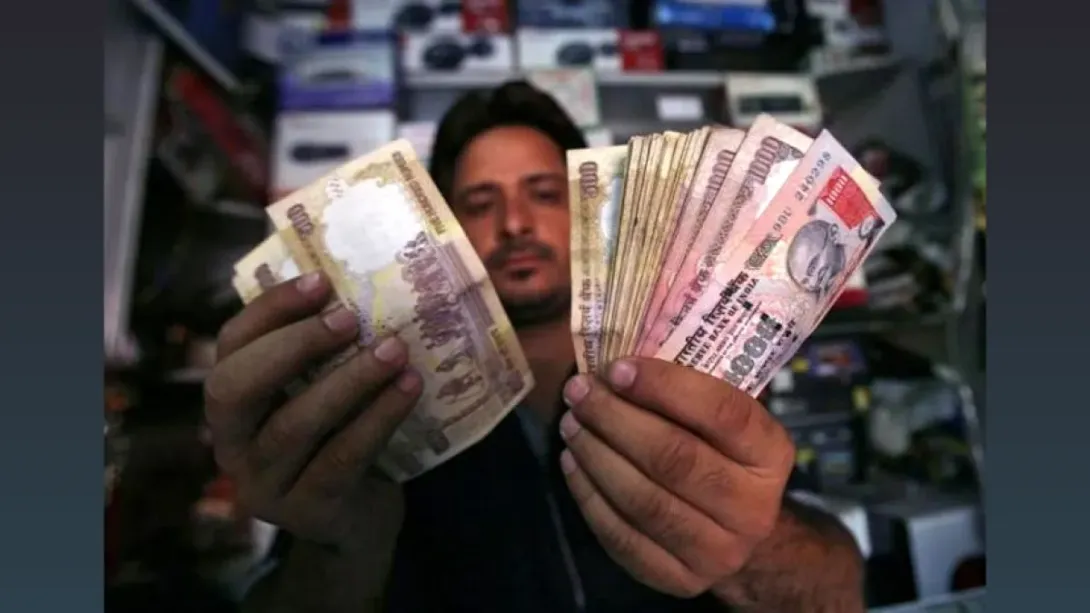
The Haryana government has announced a new increase in Dearness Allowance (DA) for employees covered under the 5th Pay Commission, offering financial relief amid rising living costs. The revision aims to help state employees cope with inflationary pressures while aligning compensation frameworks with broader fiscal commitments. The hike, effective from the designated implementation date, reflects the administration’s efforts to maintain parity between various pay structures and ensure fair cost-of-living support. This move is expected to benefit thousands of government workers and pensioners, strengthening household purchasing power and reaffirming the state’s emphasis on employee welfare and financial stability during uncertain economic conditions.
Government Moves to Support Employees Amid Inflation
The Haryana administration has approved an enhanced Dearness Allowance for employees falling under the 5th Pay Commission framework. The revision comes at a time when inflation continues to affect everyday expenses, prompting governments across the country to adjust allowances to maintain real income levels.
State officials emphasised that the decision aligns with the government’s long-standing commitment to protecting employee welfare. By raising the DA, the state aims to offer tangible relief to workers whose salaries are calculated under the older commission structure, ensuring they are not disadvantaged compared to those under more recent pay revisions.
Benefits for Employees and Pensioners
The DA adjustment is expected to support a broad base of beneficiaries, including both active employees and retired personnel drawing pensions based on the 5th Pay Commission. This group has often relied heavily on DA revisions to offset the rising cost of essential goods and services.
The latest increase will be added to their monthly income, improving liquidity for households and boosting consumption capacity. For pensioners, the revision strengthens financial security, particularly for individuals on fixed incomes who are more sensitive to cost fluctuations in utilities, healthcare, and daily necessities.
Fiscal Responsibility and Administrative Balance
While ensuring employee welfare, the Haryana government has been mindful of maintaining fiscal discipline. DA increments typically add recurring expenditure to the state’s financial commitments, requiring careful budgeting to avoid long-term strain on public finances.
Officials have indicated that the latest adjustment was calculated after assessing the state’s revenue performance, expenditure priorities, and inflation projections. The balanced approach reflects an attempt to provide relief without jeopardizing developmental allocations or essential public services.
Economic Impact and Broader Implications
DA hikes, though targeted at government employees, often have a broader economic ripple effect. Increased disposable income can stimulate local markets, especially in Tier-II and Tier-III cities where government employment constitutes a significant portion of the workforce.
For Haryana, the move may enhance overall economic activity while reinforcing the perception that the state remains attentive to workforce concerns. At the same time, the revision may influence similar demands from employees under other pay structures, potentially shaping future administrative decisions.
Conclusion: A Well-Timed Step Toward Employee Welfare
Haryana’s decision to increase the DA for 5th Pay Commission employees underscores the state’s recognition of the financial pressures faced by its workforce. By cushioning the impact of inflation and ensuring continuity in support measures, the government has taken a step that blends economic prudence with social responsibility.
As cost-of-living challenges persist nationwide, such targeted adjustments reflect how state administrations can maintain employee morale, preserve purchasing power, and contribute to broader economic resilience.
Comments