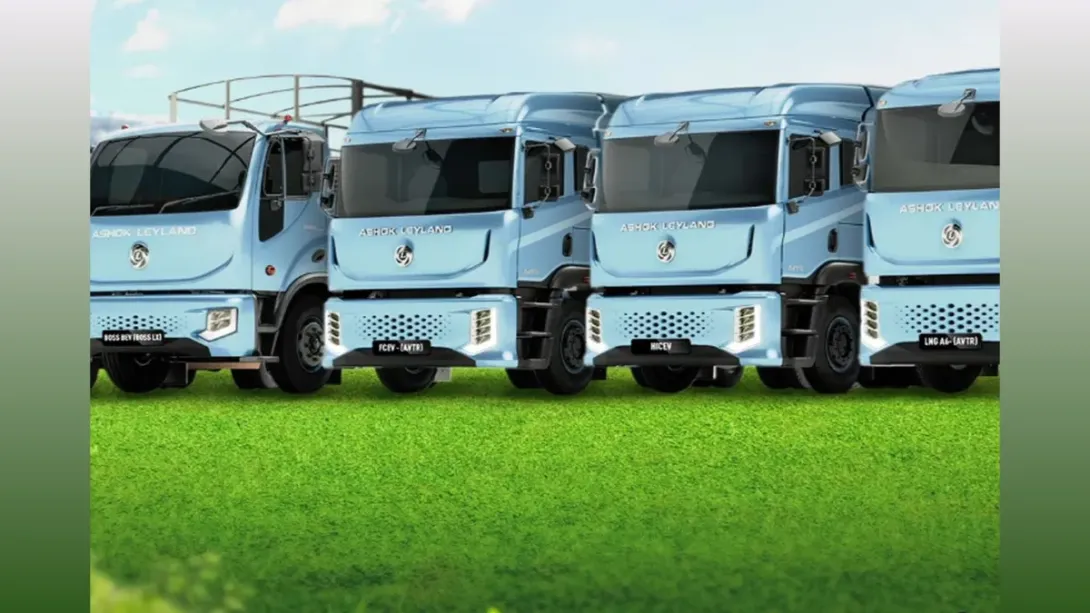
Ashok Leyland, one of India’s leading commercial vehicle manufacturers, recorded an 8% year-on-year increase in total sales for July 2025, underscoring resilient demand in the medium and heavy vehicle segment. The company sold 17,101 units, up from 15,625 units in July 2024. The uptick was largely attributed to strong fleet purchases, government infrastructure push, and sustained growth in the logistics sector. As the economic environment stabilizes and freight movement improves, Ashok Leyland appears well-positioned to capitalize on ongoing recovery trends. The automaker’s focus on innovation, fuel efficiency, and operational scalability continues to support its growth trajectory.
---
Sales Snapshot: July Performance at a Glance
Ashok Leyland reported total sales of 17,101 units in July 2025, marking an 8% year-on-year increase from 15,625 units in July 2024. The growth was largely driven by a rise in domestic commercial vehicle sales, particularly within the medium and heavy commercial vehicle (M&HCV) segment, which forms the backbone of India’s logistics infrastructure.
The company’s continued focus on its product portfolio, expanding dealership network, and enhanced after-sales services played a crucial role in achieving this milestone.
---
Segment-Wise Breakdown: M&HCVs Lead the Charge
The M&HCV segment showed significant resilience, benefiting from rising infrastructure activity and increased movement of construction materials, FMCG goods, and e-commerce shipments. The easing of financing norms and lower interest rates for fleet buyers also encouraged larger bulk orders from logistics operators and transport contractors.
The light commercial vehicle (LCV) segment remained stable, supported by rural demand and intra-city freight transportation. However, the pace of growth in LCVs was relatively muted compared to M&HCVs, in part due to competitive pressures and shifting customer preferences toward higher-tonnage vehicles.
---
Market Drivers: Infrastructure, Policy Support, and Operational Recovery
Ashok Leyland’s July sales performance can be linked to several macroeconomic and industry-specific factors:
Government Push on Infrastructure: Large-scale infrastructure projects under central and state governments have increased the demand for tipper trucks and heavy hauliers.
Revival in Freight Movement: Improved freight rates and steady volume growth in core sectors such as cement, steel, and e-commerce have boosted demand for long-haul trucks.
Fleet Modernization Trends: Transporters are increasingly replacing older, less efficient vehicles with BS-VI-compliant models, creating steady replacement demand.
---
Strategic Outlook: Scaling Responsively for the Festive Season
Looking ahead, Ashok Leyland is expected to introduce new variants and customer-focused initiatives to capture additional market share during the upcoming festive and harvest seasons. The company has also been investing in alternate fuel technologies, including electric and hydrogen-powered commercial vehicles, aligning with India’s broader decarbonization goals.
Moreover, a gradual recovery in rural spending and expected improvement in financing accessibility are likely to support continued sales momentum into the second half of FY25.
Executives within the company remain cautiously optimistic, emphasizing agility in production planning, supply chain stability, and customer service as key priorities in the current operating environment.
---
Conclusion: A Measured, Sustainable Growth Path
Ashok Leyland’s 8% sales growth in July 2025 reinforces its strategic ability to navigate cyclical demand and macroeconomic challenges. As India’s transportation and infrastructure sectors continue to expand, the automaker's diversified product offerings and focus on technology are expected to provide strong tailwinds. With further innovations and policy support on the horizon, Ashok Leyland is positioning itself not just as a legacy manufacturer, but as a future-forward player in the evolving commercial mobility ecosystem.
Comments