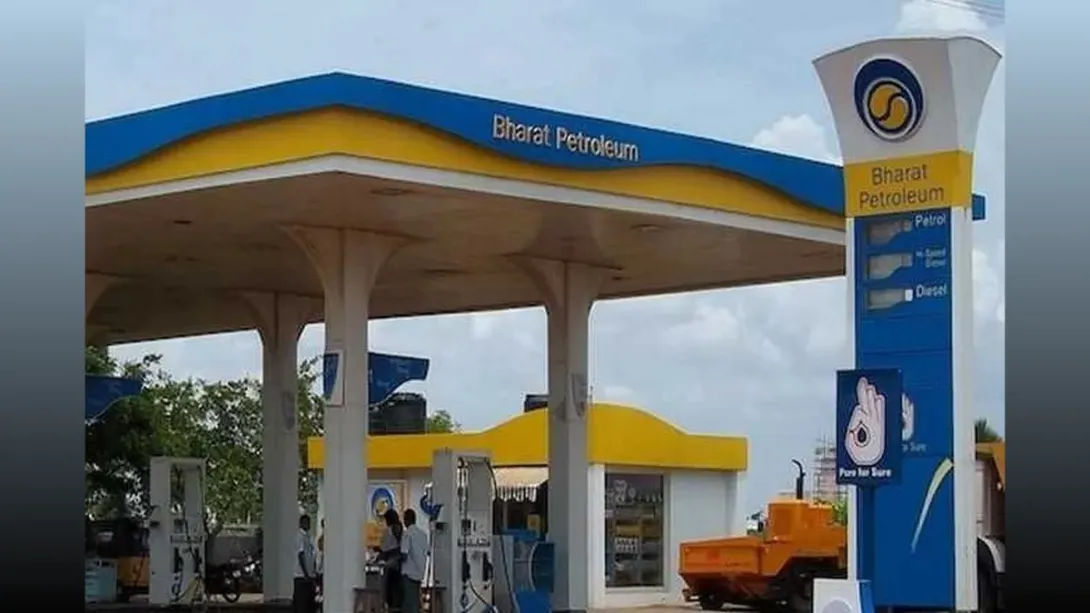
Bharat Petroleum Corporation Limited (BPCL) and Oil India Limited (OIL) have joined forces to establish a city gas distribution (CGD) network in Arunachal Pradesh, a move aimed at expanding access to cleaner fuels in one of India’s most geographically challenging states. The partnership underscores the growing emphasis on energy inclusion in the Northeast, where logistical hurdles and limited infrastructure have historically slowed down natural gas adoption. The initiative is expected to support households, industries, and transport operators, aligning with India’s broader ambition of increasing the share of natural gas in its energy mix.
Expanding Energy Access in Frontier Regions
The joint venture will roll out piped natural gas (PNG) connections for households and industries, along with compressed natural gas (CNG) stations for the transport sector. For Arunachal Pradesh, this development holds particular importance given the state’s dependence on conventional fuels and the logistical challenges of fuel distribution across difficult terrain.
By deploying modern CGD infrastructure, BPCL and OIL aim to provide reliable, cost-effective, and environmentally friendly fuel alternatives. The initiative is also expected to reduce reliance on liquefied petroleum gas (LPG) cylinders in urban households, while encouraging commercial fleets and private vehicles to switch to CNG.
Strategic Alignment with National Energy Goals
India’s government has set an ambitious target of raising the share of natural gas in the primary energy basket from around 6 percent to 15 percent by 2030. Expanding CGD networks in underserved regions like Arunachal Pradesh is a crucial step toward that goal.
For BPCL, a Fortune 500 energy company, this venture strengthens its downstream presence in the Northeast and contributes to its long-term diversification strategy. For OIL, headquartered in Assam, the project complements its regional expertise and reinforces its role in supporting the energy transition in the eastern corridor.
Economic and Environmental Benefits
The rollout of the CGD network is projected to generate local employment opportunities, stimulate investment in supporting industries, and enhance industrial competitiveness through cleaner and more reliable fuel supplies. From an environmental perspective, wider use of natural gas is expected to cut greenhouse gas emissions and reduce urban air pollution—an increasingly urgent concern across India.
Market analysts suggest that the availability of CNG in Arunachal Pradesh could significantly expand green mobility options, while PNG will offer households a more convenient and affordable cooking solution. Together, these changes could set the state on a path toward more sustainable energy consumption.
Building Inclusive Energy Infrastructure
Beyond the commercial and environmental advantages, the BPCL-OIL joint venture reflects a broader policy emphasis on integrating frontier states into India’s energy development agenda. By bringing modern energy infrastructure to a state that has long faced geographical isolation, the initiative underscores the importance of inclusive growth in the energy sector.
If executed effectively, the Arunachal Pradesh CGD network could become a model for replicating similar projects across remote geographies, demonstrating how public sector collaboration can deliver both economic value and social progress.
Comments